INTERNATIONAL TRADE LAW
International Trade Law Articles
Customs classification, export controls, sanctions, and the compliance work that keeps cross-border business moving.
427 articles
How to Navigate Sanctions and Embargoes in Exporting
To export safely under U.S. sanctions, check three things before every shipment: the destination country, the parties involved (and their owners), and whether …
How to Obtain an Export License (EAR)
You obtain a U.S. export license by classifying your item, checking whether the destination triggers a license requirement, confirming no license exception …
How to Start Exporting and Find International Buyers
To export from the United States, you classify your product, confirm it is legal to ship to that buyer and country, file the required export data, and document …
Import Cargo Insurance: Why Carrier Limits Fall Short
The single most expensive misunderstanding in importing is assuming the carrier will cover your cargo if it is lost or damaged — it won’t. Ocean carrier …
Import Documentation Requirements: A CBP Guide
Importing into the United States runs on a defined set of customs documents: a commercial invoice, packing list, and bill of lading or air waybill from the …
Import Documentation: The Key Customs Papers
Import documentation is the paperwork that lets U.S. Customs identify your goods, assess the right duties, and decide whether to release the shipment — and …
Import Duties and Taxes: What US Importers Pay
Import duties are the taxes U.S. Customs and Border Protection (CBP) collects on goods entering the country, and what you owe is the product of three things: …
Import Licenses: What U.S. Importers Actually Need
The United States has no general import license — CBP does not issue one, and most goods do not need a license to enter the country at all. What a …
Import Payment Methods and Terms Explained
There are five main ways to pay for imported goods — cash in advance, letters of credit, documentary collections, open account, and consignment — and they trade …
Importing 101: How U.S. Customs Clearance Works
Importing into the United States means clearing your goods through U.S. Customs and Border Protection — and the law puts the responsibility for doing it …
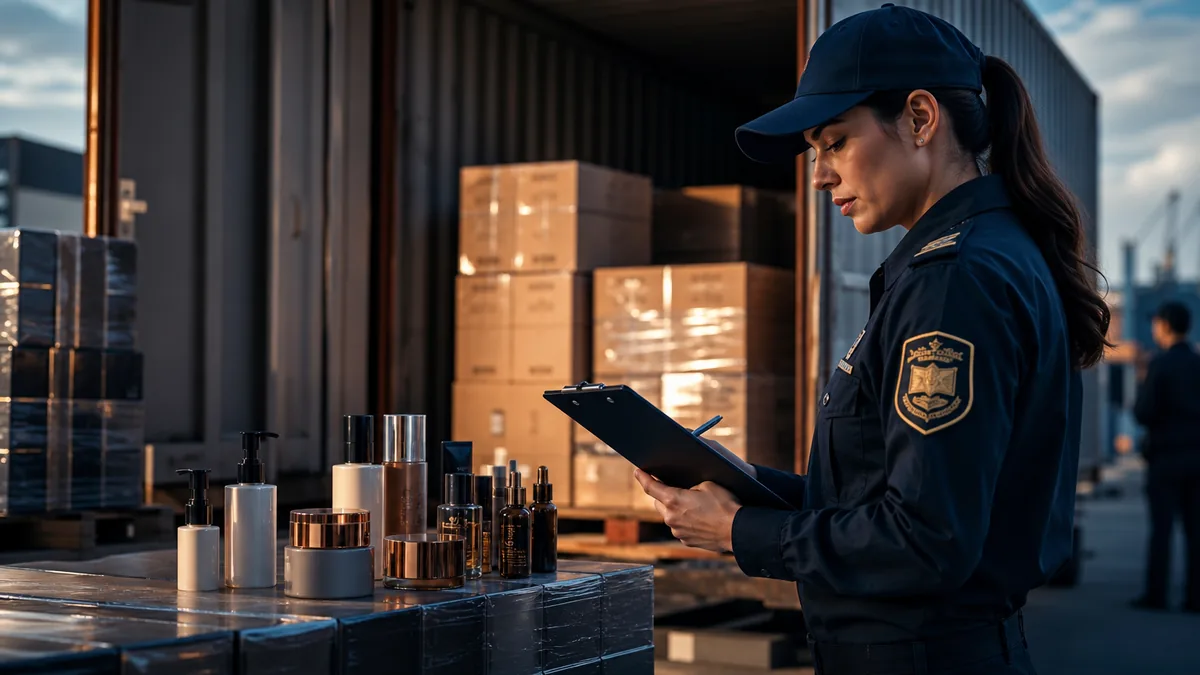
Importing Cosmetics: FDA Rules Under MoCRA
Importing cosmetics into the United States changed significantly with the Modernization of Cosmetics Regulation Act (MoCRA) of 2022 — the biggest expansion of …
Importing Food Into the U.S.: FDA Rules
Importing food into the United States means complying with the FDA and the Food Safety Modernization Act (FSMA) on top of normal customs entry — and the …
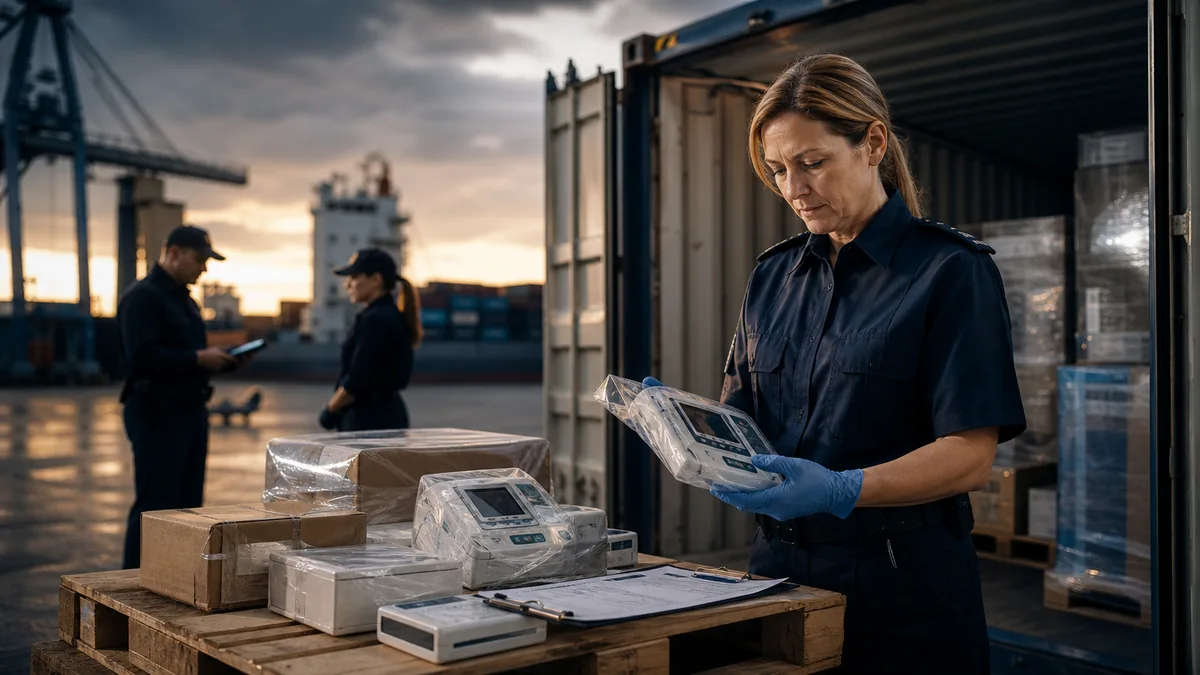
Importing Medical Devices: An FDA Primer
Importing medical devices into the United States is governed by the FDA, and the requirements scale with the device’s risk. Every imported device has to …
Importing Under a Customs Bonded Warehouse
A customs bonded warehouse is a CBP-licensed facility where you can store imported goods for up to five years without paying duties — the duties are deferred …
Incoterms 2020: A Practical Guide for Exporters
Incoterms are the 11 standardized trade terms published by the International Chamber of Commerce (ICC) that define exactly where the seller’s …
ITAR Explained: Defense Exports and the USML
The International Traffic in Arms Regulations (ITAR) are the strictest U.S. export-control regime: they govern defense articles and defense services — things …
Machinery Export Compliance: EAR, ECCN & Licensing
Exporting machinery legally starts with one question: what is its ECCN? Classify the equipment under the Commerce Control List, and the answer tells you whether …
Managing Reputational Risk in Sanctions Compliance
The reputational damage from a sanctions violation often outlasts and outweighs the fine — banks cut you off, customers walk, and investors lose confidence long …
OFAC Licenses: How to Apply and Qualify
An OFAC license is permission from the Treasury Department’s Office of Foreign Assets Control to engage in a transaction that U.S. sanctions would …
Product Certification for Exporters: A Guide
Product certification is how you prove your goods meet a destination market’s safety, quality, and environmental rules before they can be sold there. It …