FRANCHISE LAW
Buying an ATM Route: Legal Due Diligence Guide
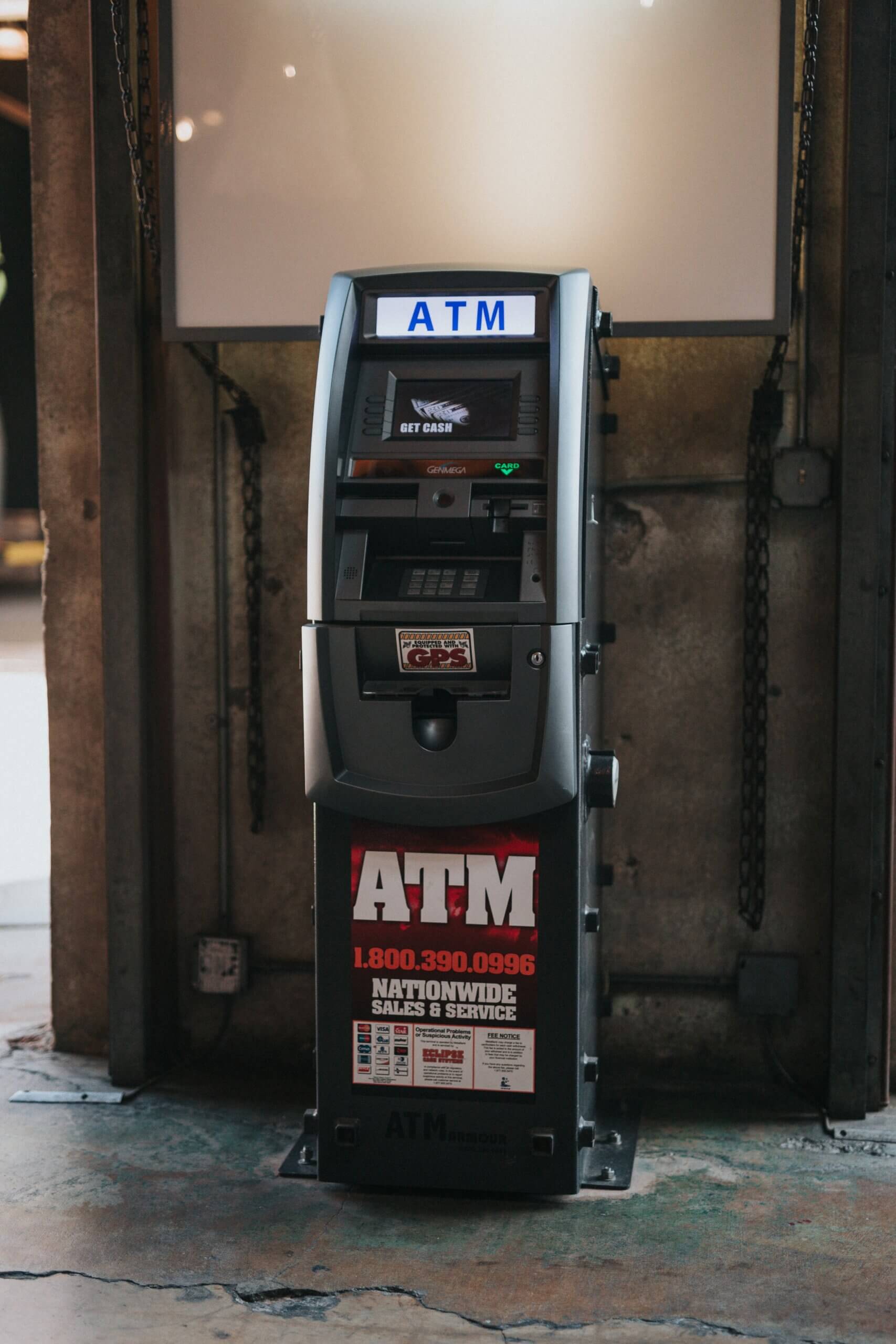
When you buy an ATM route, you are not really buying machines — you are buying contracts. An ATM route business is a portfolio of placement agreements with host locations, plus the hardware, the processing relationships, and the cash logistics that keep money in the machines. The machines themselves are commodity equipment worth a few thousand dollars each; the location agreements generate the surcharge revenue, and whether those agreements actually transfer to you is the single question that decides if the deal is worth anything. This guide covers the legal diligence: what to verify in the contracts, the compliance rules that apply to every machine, and the red flags that should send you back to the negotiating table.
What an ATM Route Business Actually Is
An ATM route is three assets bundled together: the physical machines, the placement agreements with the stores, bars, hotels, and offices that host them, and the operating relationships — a processing agreement that routes transactions to the card networks, a sponsoring bank arrangement, and a cash supply (either the owner’s own vault cash or a third-party cash provider). Revenue comes primarily from the surcharge each cardholder pays per withdrawal, typically split with the host location under the placement agreement, sometimes supplemented by interchange paid through the network.
Strip out the contracts and you own a stack of used hardware. That’s why the diligence on an ATM route looks less like equipment inspection and more like the contract review you’d run when buying any small business.
Placement Agreements Are the Real Asset
A placement agreement (or location agreement) is the contract between the ATM operator and the host business that gives the machine the right to sit there and earn. Before you price a route, read every one of them for four things:
Assignment. Does the agreement transfer to a buyer at all? Many placement agreements require the host’s written consent to assignment, and some prohibit it outright. A route where the contracts don’t assign isn’t a sale of a business — it’s a sale of machines plus an introduction, and the host can sign with a competitor the day after closing.
Term and renewal. How long does each agreement run, and who controls renewal? A route priced on five years of projected revenue built on agreements that expire in eight months is mostly hope.
Exclusivity. Does the host promise yours will be the only ATM on the premises? Without exclusivity, nothing stops the location from adding a second machine that cuts your volume in half.
Termination rights. What lets the host end the deal early — sale of their business, a change in ownership, 30 days’ notice for convenience? A generous host termination clause makes the whole revenue stream cancellable.
Compliance Checks Before You Buy
ATM operation sits under several layers of federal regulation, and you inherit the compliance posture of every machine you buy.
ADA accessibility. The 2010 ADA Standards for Accessible Design have applied to ATMs since March 15, 2012, with no grandfathering for older machines. Requirements include speech output for users who cannot see the screen, Braille instructions for initiating speech mode, tactilely discernible controls, and height and reach limits (generally a 48-inch maximum reach with clear floor space). Older non-compliant machines in a route are a liability and a replacement cost, not an asset.
Regulation E fee disclosure. An ATM operator charging a fee must disclose the amount on the screen (or on paper issued by the machine) before the consumer is committed to the transaction, with the option to cancel. Congress eliminated the separate on-machine sticker requirement in 2012, so the on-screen disclosure is what matters — confirm the machines’ software does it correctly.
Bank sponsorship and KYC. Independent ATM operators access the card networks through an arrangement involving a sponsoring financial institution and a registered processor or ISO. Sponsoring banks and processors apply know-your-customer and anti-money-laundering scrutiny to ATM operators — expect to be vetted, and confirm the route’s existing sponsorship and processing arrangements will accept you as the new operator rather than assuming they carry over.
State law. Depending on the state, cash-handling arrangements, vault cash sourcing, and certain operator activities can implicate state licensing or money-services regimes. This varies widely — get state-specific advice before closing.
The Due Diligence Checklist
| Item | What to verify |
|---|---|
| Placement agreements | Written, current, assignable (with consents obtained), exclusivity, term, host termination rights |
| Machine ownership | Seller owns the machines outright — not leased or financed with liens; get serial numbers and lien searches |
| ADA status | Each machine meets the 2010 Standards (speech output, Braille, reach ranges) |
| Processing agreement | Transferable; review fee schedule, term, and termination provisions |
| Cash arrangements | Who vaults the cash, whose cash it is, and whether the arrangement survives the sale |
| Revenue records | Per-machine transaction counts and surcharge revenue from processor statements — not the seller’s spreadsheet |
| Bank sponsorship | Sponsorship and network registration will continue under your ownership |
| Liabilities | Outstanding chargebacks, host disputes, equipment service contracts |
Red Flags
Walk away, or reprice sharply, when you see these:
- Revenue you can’t verify. Cash businesses invite inflated earnings claims. If the seller can’t produce processor statements showing per-machine transaction volume, the “income” is a story.
- Expiring or unassignable placement agreements. The most common defect. The price assumes the locations stay; the contracts say otherwise.
- Handshake locations. No written agreement means the host owes you nothing after closing.
- ADA-noncompliant legacy machines. Pre-2012-standard machines need retrofitting or replacement — budget it into the price or don’t pay for those units.
- Leased machines sold as owned. A lien search and the lease paperwork settle this in an afternoon.
Is an ATM “Franchise” Really a Franchise?
Most ATM opportunities marketed as franchises are actually distributorships or business opportunities — you buy machines and maybe location-finding help, but there’s no licensed brand system in the franchise-law sense. That distinction matters legally: sellers of covered business opportunities (the classic examples are vending and ATM placements with location assistance) must comply with the FTC Business Opportunity Rule, which requires a one-page disclosure document delivered at least seven calendar days before you sign or pay, and requires written substantiation for any earnings claims. If a seller makes income claims and won’t put the substantiation in writing, that is itself the answer. The same skepticism you’d apply to evaluating a franchise opportunity applies here — with fewer mandatory disclosures protecting you.
Frequently Asked Questions
What is the most important contract when buying an ATM route?
The placement agreements. They control whether the machines can stay at their locations, how revenue is split with the host, and whether the contracts transfer to you at all. Everything else in the deal is replaceable hardware and services.
Are ATM businesses regulated?
Yes. Federal requirements include ADA accessibility standards for the machines and Regulation E fee disclosure on screen, and operators are vetted through bank sponsorship and processor KYC requirements. State-level rules on cash handling vary and need state-specific review.
How do I verify an ATM route’s income?
Demand processor statements showing per-machine transaction counts and surcharge revenue. Never rely on the seller’s own spreadsheet — unverifiable cash earnings are the most common way routes are overpriced.
Do ATM business sellers have to give me disclosures?
If the offering qualifies as a business opportunity under the FTC rule — typically because the seller offers location assistance — you’re entitled to a one-page disclosure document at least seven days before signing or paying, plus written substantiation of any earnings claims.
Reidel Law Firm reviews business acquisitions — including ATM and vending routes — through our flat-fee business sales package, covering the placement agreements, assignment consents, and purchase terms before you wire a dollar. Know what you’re actually buying first.