FRANCHISE LAW
Car & Automotive Franchises: What to Know
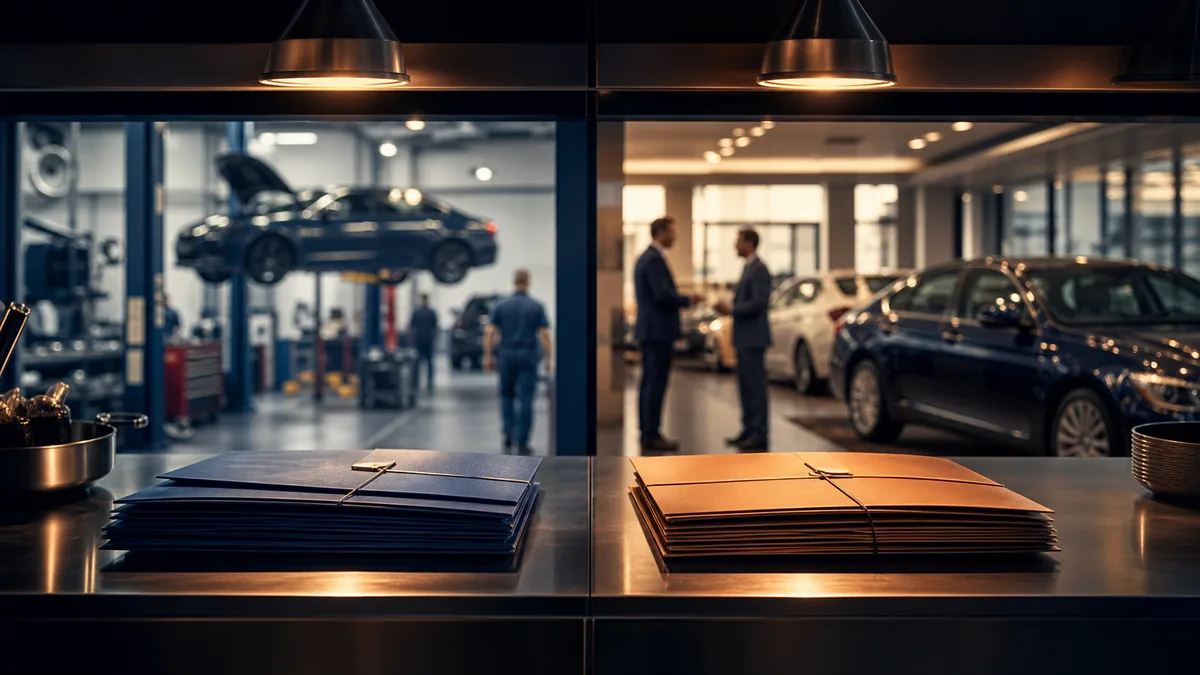
Most automotive franchises — oil change, repair, car wash, and tire shops — are ordinary business-format franchises governed by the FTC Franchise Rule, while new-car dealerships fall under a separate body of state motor vehicle dealer laws. Knowing which regime applies to the opportunity in front of you changes what you review and which protections you have.
Automotive is one of the largest service industries in the country, and you do not need a mechanic’s background to own a unit. But the legal framework is not one-size-fits-all. This guide explains the split and what to check before you buy.
Two Different Legal Worlds
The word “franchise” covers two very different automotive businesses, and conflating them is a costly mistake.
A new-car dealership — selling vehicles under a manufacturer’s brand — is governed primarily by state motor vehicle franchise statutes. Nearly every state regulates the manufacturer-dealer relationship directly: protected market areas, “good cause” requirements before a manufacturer can terminate a dealer, and dealer-specific dispute rules. These laws are separate from the general franchise law that covers most other industries.
An automotive service franchise — oil change, brakes, transmission, repair, detailing, or car wash — is almost always a business-format franchise under the FTC’s Franchise Rule, the same regime that governs a sandwich shop or a gym. You will receive a Franchise Disclosure Document, sign a franchise agreement, and pay royalties and ad fees. This guide focuses on that service-franchise path, which is what most prospective franchisees are actually buying.
What Makes Auto Service Franchises Distinct
Compared with a typical retail or food franchise, automotive service units carry their own cost and compliance profile. Build into your plan the items that hit auto operators hardest:
| Consideration | Why it matters in automotive |
|---|---|
| Equipment-heavy build-out | Lifts, bays, alignment and diagnostic gear drive higher start-up costs |
| Real estate and zoning | Service bays need specific sites; zoning and ingress/egress can limit locations |
| Environmental compliance | Used oil, solvents, and wastewater are regulated under federal and state rules |
| Licensing | Many states license repair facilities and technicians separately |
| EV transition | Shifts in vehicle technology can change demand for oil changes and engine work over time |
The environmental piece is easy to underestimate. A shop that generates used oil, antifreeze, or solvent waste — or a car wash discharging wash water — must handle and dispose of it under applicable federal and state environmental requirements, and noncompliance carries real penalties. Confirm who bears those obligations and what the franchisor’s standards require.
Reviewing the Opportunity
Whatever the brand, the documents tell you what you are buying. Read the FDD closely: Item 7 for the true build-out and equipment investment, Item 19 for any financial performance representation (and treat verbal earnings promises with no Item 19 as a red flag), and Item 20 for the franchisee list and turnover so you can call current and former owners.
Then look at the automotive-specific realities: local competition density, whether the brand provides access to repair data and diagnostic systems, lease terms for a bay-style location, and how the franchisor expects you to handle environmental and licensing compliance. The longer-term question — how a continuing shift toward electric vehicles affects demand for a given service over your agreement’s term — deserves a candid answer before you sign. Because an auto franchise ties up significant capital in equipment and real estate, have the FDD and franchise agreement reviewed before you commit.
Frequently Asked Questions
Are car dealerships and auto repair franchises the same legally?
No. New-car dealerships are governed mainly by state motor vehicle dealer franchise laws, while auto repair, oil change, and car wash franchises are usually business-format franchises under the FTC Franchise Rule.
Do I need automotive experience to own an auto franchise?
Usually not. Most service franchisors train new owners and many owners hire licensed technicians. Industry experience helps but is rarely required, though management and hiring skills matter.
What environmental rules apply to an automotive franchise?
Shops handling used oil, solvents, antifreeze, or wash water must comply with federal and state environmental and waste-disposal rules. Confirm these obligations and the franchisor’s standards before buying.
How does the shift to electric vehicles affect auto franchises?
It varies by service. Demand for oil changes and engine repair may soften over time, while tires, brakes, detailing, and EV-specific services may hold or grow. Weigh the brand’s mix against your agreement’s length.
Automotive franchises reward buyers who understand which legal regime applies and what the FDD really commits them to. Reidel Law Firm reviews the FDD and franchise agreement for prospective owners on a flat fee, in plain English — get your FDD reviewed before you sign.