INTERNATIONAL TRADE LAW
Ethical Sourcing Compliance Checklist (UFLPA)
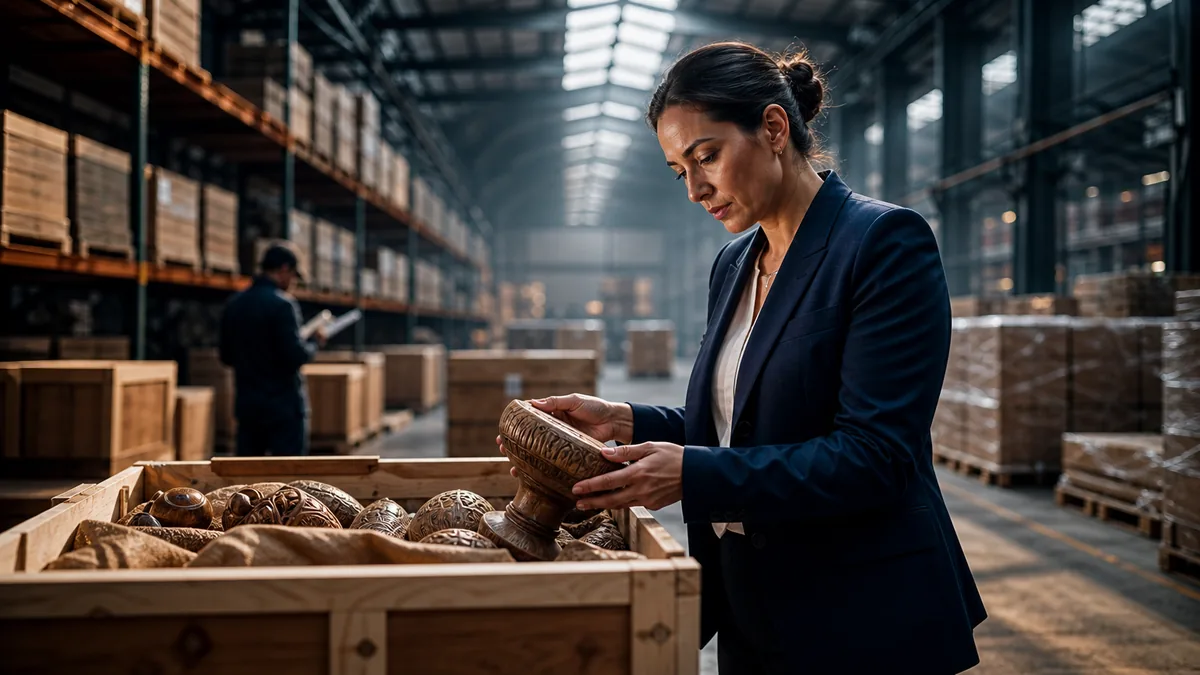
For a U.S. importer, ethical sourcing is now a legal requirement, not just a values statement — federal law bars goods made with forced labor from entering the country, and CBP enforces it at the border. The centerpiece is the Uyghur Forced Labor Prevention Act (UFLPA), which creates a rebuttable presumption against goods tied to the Xinjiang region of China. This checklist explains the legal framework and the supply-chain due diligence importers use to stay on the right side of it.
The Legal Core: The Forced-Labor Import Ban
The foundation is Section 307 of the Tariff Act of 1930 (19 U.S.C. § 1307), which prohibits importing any goods mined, produced, or manufactured wholly or in part by forced labor, including convict labor and forced child labor. CBP enforces the ban two main ways: by issuing a Withhold Release Order (WRO) when it has information that reasonably indicates forced labor in a supply chain, and through the UFLPA’s statutory presumption. Goods stopped under either mechanism are detained, and the importer must come forward with evidence to release them.
This is an admissibility issue, not a duty issue. Ethical sourcing failures do not produce a tariff bill — they produce detained cargo, and the goods can ultimately be excluded or seized. Our explainer on what a customs notice of seizure is describes where that process can end up.
UFLPA and the Rebuttable Presumption
The UFLPA, effective June 21, 2022, sharpened enforcement. It establishes a rebuttable presumption that any goods mined, produced, or manufactured wholly or in part in the Xinjiang Uyghur Autonomous Region (XUAR), or by an entity on the UFLPA Entity List, were made with forced labor and are therefore barred under 19 U.S.C. § 1307.
The burden of proof is on the importer, and it is a demanding one. To overcome the presumption, the importer of record must demonstrate by clear and convincing evidence that the goods were not produced with forced labor, fully respond to CBP’s requests for information, and show it complied with applicable due-diligence guidance. Because that standard requires documented, end-to-end visibility into a supply chain, the practical defense is built long before any shipment is detained.
The Ethical Sourcing Compliance Checklist
An effective program turns these legal exposures into repeatable steps. The core elements:
| Step | What it involves |
|---|---|
| Map the supply chain | Identify suppliers at every tier, down to raw materials and the regions they come from |
| Risk-assess by region and commodity | Flag goods and inputs connected to known forced-labor risks, including the XUAR nexus |
| Set a supplier code of conduct | Define labor and human-rights standards, with the right to audit, written into contracts |
| Trace and document origin | Keep production records, transaction documents, and chain-of-custody evidence per input |
| Audit suppliers | Verify conditions through independent audits, not just self-certifications |
| Remediate and escalate | Correct findings, and exit suppliers that cannot meet the standard |
The recurring theme is traceability. Because the UFLPA presumption can apply to goods made even “in part” in the XUAR, importers need visibility well beyond their direct (Tier 1) supplier into the deeper tiers where cotton, polysilicon, and similar inputs originate.
Supplier Audits and Documentation
A code of conduct only matters if it is verified. Independent supplier audits — covering wages, working hours, freedom from forced and child labor, and safe conditions — give an importer real evidence rather than supplier assurances. Just as important is the documentation trail: production records, time and payroll records, and transaction-level proof that ties a finished good back to its inputs. That evidence package is exactly what CBP expects when an importer tries to rebut a detention, so it should be assembled as a matter of routine, not improvised under a deadline.
Where Ethical Sourcing Connects to the Rest of Import Compliance
Ethical sourcing does not stand alone. Country-of-origin determinations, recordkeeping, and admissibility screening all overlap with it, which is why a forced-labor program works best inside a broader import compliance system rather than beside it. See our import compliance checklist for the surrounding obligations and how to comply with country-of-origin marking rules for the origin side that forced-labor tracing builds on.
Frequently Asked Questions
Is ethical sourcing legally required for U.S. importers?
In effect, yes. Section 307 of the Tariff Act (19 U.S.C. § 1307) bans importing goods made with forced labor, and CBP enforces it through Withhold Release Orders and the UFLPA presumption. Sourcing diligence is how importers avoid detained or excluded cargo.
What is the UFLPA rebuttable presumption?
It is a legal presumption, effective June 21, 2022, that goods made wholly or in part in China’s Xinjiang region — or by a listed entity — were produced with forced labor and are barred from import. The importer must rebut it with clear and convincing evidence.
How does an importer overcome a UFLPA detention?
By demonstrating, with clear and convincing evidence, that the goods were not made with forced labor — fully responding to CBP’s information requests and showing supply-chain due diligence. This requires traced, documented origin records down to the raw-material level.
What is a Withhold Release Order?
A WRO is a CBP order to detain goods at the port when the agency has information reasonably indicating they were made with forced labor. It shifts the burden to the importer to prove admissibility before the goods can be released.
Ethical sourcing compliance comes down to whether you can trace and prove where your inputs really came from. Reidel Law Firm helps importers build forced-labor and supply-chain due-diligence programs on flat-fee terms, with a plain-English compliance memo and direct attorney access. Get an import compliance memo.