FRANCHISE LAW
Leasehold Improvements in a Franchise Build-Out
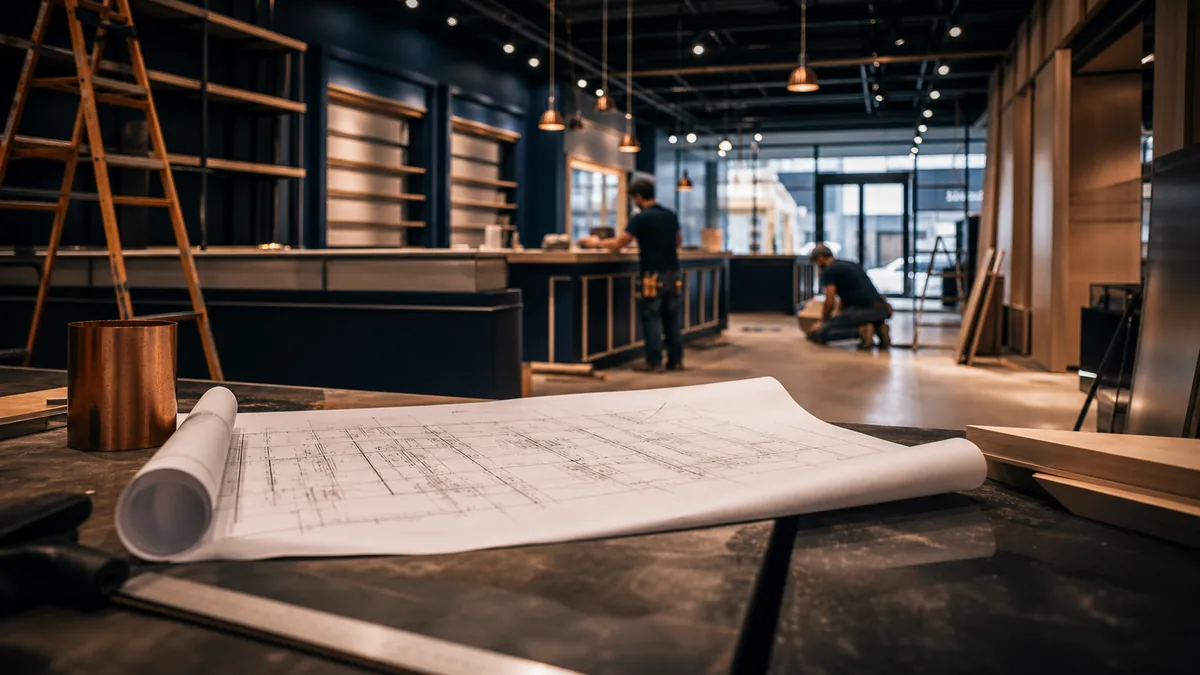
Leasehold improvements are the permanent changes you make to a leased space to turn it into your franchise — interior build-out, fixtures, signage, lighting, plumbing, HVAC, and the kitchen or service equipment fixed to the property. They’re typically the largest single line in a franchise’s startup cost after the space itself, and because they’re attached to a building you don’t own, who pays for them and who keeps them are questions to settle before you sign the lease, not after.
What counts as a leasehold improvement
Leasehold improvements are alterations made to a rented space to fit a specific tenant’s use. In a franchise, that means everything needed to bring the premises up to the brand’s standards: partition walls, flooring and ceilings, counters and millwork, signage, specialized equipment installation, accessibility upgrades, and the electrical and mechanical work that supports them. They go beyond routine repair — they transform a shell or a prior tenant’s space into a working unit of the system. Movable items like loose furniture or unattached equipment usually aren’t leasehold improvements, because they leave with you.
Who pays, and who owns them at the end
This is the part franchisees most often misjudge. As a default, improvements that are affixed to the property become part of the real estate and revert to the landlord when the lease ends — you pay for them, but you don’t take them with you. Two negotiated terms change that math:
- Tenant improvement (TI) allowance. Landlords often contribute a per-square-foot allowance toward the build-out, especially in a competitive market. It’s negotiable and directly reduces your out-of-pocket cost.
- Surrender / restoration clause. Some leases require you to remove improvements and restore the space to its original condition at the end — an expensive obligation that can surprise tenants who assumed they could simply walk away.
The three documents that govern your build-out
A franchise build-out is unusual because three separate documents control it at once, and they don’t always agree:
| Document | What it controls |
|---|---|
| The lease | TI allowance, permitted alterations, ownership of improvements, restoration duties, term length |
| The franchise agreement | The brand’s build-out and design standards you must meet |
| The franchisor’s build-out specifications | Detailed plans, approved vendors, finishes, and timelines |
The friction point is that the franchisor’s required standards may exceed what your lease budget or landlord allowance contemplates — and your lease term may be shorter than the period over which you’d hope to recoup the investment. Reconciling these before you commit is the whole game.
Tax treatment, in brief
Many interior franchise improvements qualify as Qualified Improvement Property (QIP), which carries a 15-year cost-recovery period. As of 2026, the One Big Beautiful Bill Act (enacted July 2025) restored 100% bonus depreciation under Internal Revenue Code § 168(k) for qualifying property placed in service after January 19, 2025, which can allow much of an eligible build-out to be deducted in the first year. Tax rules change and the specifics depend on your facts, so confirm current treatment and eligibility with your tax advisor before relying on it.
Lease terms to negotiate first
Because the improvements outlive the build, focus your lease negotiation on a few clauses that decide who really benefits:
- A meaningful TI allowance, paid on a clear schedule tied to construction milestones.
- An alterations clause that lets you make (and later modify) the improvements the franchisor requires.
- Ownership and surrender language — ideally no obligation to restore, so you aren’t paying twice.
- A lease term long enough to amortize the build-out, with renewal options, so a remodel the franchisor mandates mid-term doesn’t strand your investment.
- Early-access rights so you can begin construction before rent starts.
These terms interact with the franchise deal as a whole, including any transfer fee and remodel obligations triggered when you eventually sell or renew.
Frequently asked questions
Who owns leasehold improvements when the lease ends?
By default, improvements affixed to the property become part of the real estate and revert to the landlord at lease end. You can change this through negotiation, but absent a contrary clause, the tenant pays for improvements the landlord ultimately keeps.
What is a tenant improvement allowance?
It’s money the landlord contributes toward your build-out, usually quoted per square foot. It’s negotiable, reduces your upfront cost, and is typically paid as construction reaches agreed milestones.
Can the franchisor make me upgrade my build-out later?
Often yes. Many franchise agreements require remodels to current brand standards at renewal or on a set cycle. That’s why a lease term and renewal options that match the franchisor’s remodel timing matter so much.
Are leasehold improvements tax-deductible?
Eligible interior improvements may qualify as Qualified Improvement Property with a 15-year recovery period, and as of 2026, 100% bonus depreciation has been restored for qualifying property under current federal law. Treatment depends on your specifics — confirm with a tax advisor.
A franchise build-out is governed by a lease, a franchise agreement, and a set of brand specs that rarely line up on their own. Reidel Law Firm reviews franchise and lease terms for franchisees on a flat fee, so the build-out you pay for actually works for you. Talk to a franchise attorney before you sign the lease.