FRANCHISE LAW
How to Franchise a Dessert Shop
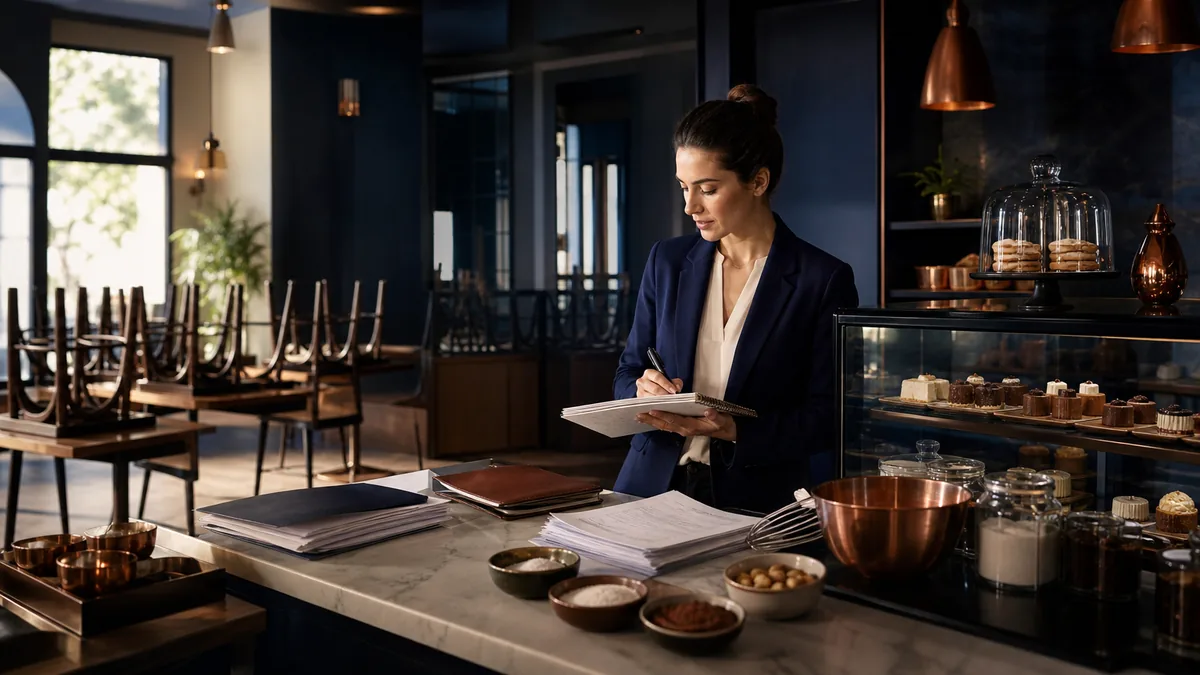
Franchising a specialty dessert shop — cupcakes, cookies, chocolate, crepes, or a dessert café — turns your signature recipes into a system other owners can reproduce, and legally it runs on the FTC Franchise Rule (16 C.F.R. Part 436) like any U.S. franchise. You cannot offer or sell a single dessert franchise without a Franchise Disclosure Document (FDD) that complies with that rule, and because dessert concepts trade on appearance, freshness, and a tight ingredient list, your operations manual has to standardize recipes, allergen control, and sourcing before anyone sells a treat under your name. This guide covers whether your concept is ready, the legal foundation every food franchisor needs, and the requirements specific to dessert. If your concept is frozen, see how to franchise an ice cream or frozen yogurt shop instead.
Is Your Dessert Concept Ready to Franchise?
A viral dessert is not automatically a franchisable system. The model works when the concept is proven, profitable, and replicable by an owner who is not you. Pressure-test five things first:
- Proven profitability. At least one company-run location should be consistently profitable, ideally for a year or more, so your numbers are real.
- A documented system. Recipes, decoration, plating, portioning, and shelf life have to live in a manual, not in the founder’s hands. With dessert, presentation is the product — if it cannot be written down and taught, the concept is not franchisable yet.
- A protectable brand. Register your name and logo, or start the process, with the U.S. Patent and Trademark Office. See how to protect your franchise brand legally.
- Unit economics that leave room for royalties. Specialty ingredients and waste from unsold fresh product run high, so the margin has to support an owner’s living and your royalty.
- The appetite to support others. You stop making desserts and start running a company that helps other people make and sell them.
The Legal Foundation: The FTC Franchise Rule and the FDD
Every U.S. franchisor must prepare and deliver an FDD before offering or selling a franchise. Under the FTC Franchise Rule, you have a franchise whenever three elements are present: the operator uses your trademark, you provide significant control or assistance over how the business runs, and the operator makes a required payment of at least $500 within the first six months. Meet all three and you are a franchisor, with full disclosure obligations.
The FDD follows a fixed structure of 23 disclosure Items — background, litigation and bankruptcy history, fees, the estimated initial investment, supply restrictions, training and assistance, territory, trademarks, renewal and termination terms, and audited financial statements. The FTC does not approve FDDs, but timing is strict: a prospect must have the FDD at least 14 calendar days before signing anything or paying you, and you must update it within 120 days after each fiscal year end. For the franchisor path end to end, see our guide to the legal requirements to franchise your business.
The Allergen and Sourcing Layer Dessert Shops Add
Baked and confectionery products carry obligations that belong in your standards and your FDD, because dessert ingredients are allergen-heavy:
- Allergen control. Federal law recognizes nine major food allergens — milk, eggs, fish, crustacean shellfish, tree nuts, peanuts, wheat, soybeans, and sesame (the ninth, effective January 1, 2023). Dessert concepts routinely use milk, eggs, wheat, tree nuts, and increasingly sesame, so cross-contact procedures and clear disclosure must be written into the manual and trained, not left to each owner.
- Recipe and sourcing standards. Signature ingredients — specialty chocolate, fillings, decorations — drive both quality and food cost. If you require franchisees to buy from designated suppliers or a commissary, those restrictions and any rebates you receive must be disclosed in the FDD’s supply Items.
- Food safety and permits. Most states adopt the FDA Food Code, which drives handling, cold-holding, food-handler certification, and local health-department permits. Once a chain reaches 20 or more locations under the same name with substantially the same menu, FDA menu-labeling rules add calorie disclosure.
State Registration, Filing, and Notice
Beyond the federal rule, about 14 registration states — including California, New York, and Illinois — require you to submit the FDD for review before you can offer franchises there, and their examiners often send comment letters first. A handful of states require only a notice or exemption filing, and the rest add nothing beyond the federal rule. The lists change over time, so confirm current requirements for every state where you intend to sell.
What It Costs and How Long It Takes
Franchising a food concept is a real legal project. Published industry estimates put the legal cost of a first FDD and franchise agreement in the mid-teens to the $40,000-plus range depending on complexity, plus state registration fees and the audit of your financials. Expect roughly two to four months to build the document and six to twelve months from decision to first sale once the manual, trademark work, and registrations are done — see how long franchising a business typically takes. A flat-fee engagement lets you budget the full legal cost up front.
Common Mistakes Dessert Franchisors Make
- Treating allergens casually. With milk, eggs, wheat, nuts, and sesame all common in dessert, cross-contact control and disclosure belong in your standards, not each owner’s judgment.
- Selling before registering. Offering in a registration state before clearance can trigger rescission rights and penalties.
- Copying another brand’s FDD. A borrowed document describes someone else’s system and contradicts yours.
- Quoting earnings outside Item 19. Item 19 is the only lawful place to state what units earn, with a reasonable basis and written substantiation.
Frequently Asked Questions
Do I need an FDD to franchise my dessert shop?
Yes. There is no food or small-franchisor exception. If your offering meets the three-part franchise definition, you need a compliant FDD before the first offer or sale.
How should allergens be handled across franchisees?
Write cross-contact procedures and disclosure for the nine major allergens — including sesame since 2023 — into the operations manual and train every owner to follow them.
What if my concept is frozen yogurt or ice cream?
That is a closely related but distinct model with its own equipment and handling standards — see how to franchise an ice cream or frozen yogurt shop.
Should I use a franchise consultant or a franchise attorney?
Consultants help with strategy, but the FDD, franchise agreement, and state filings are legal documents with legal liability. Have a franchise attorney prepare and review them.
Reidel Law Firm builds complete franchise systems — FDD, franchise agreement, and state filings — for food and dessert concepts ready to franchise. Our flat-fee Startup Franchising Package starts at $21,499, so you know the full legal cost before you begin. Contact us to talk through whether your dessert concept is ready to franchise.