INTERNATIONAL TRADE LAW
CBP Seized Your Tobacco as Drug Paraphernalia?
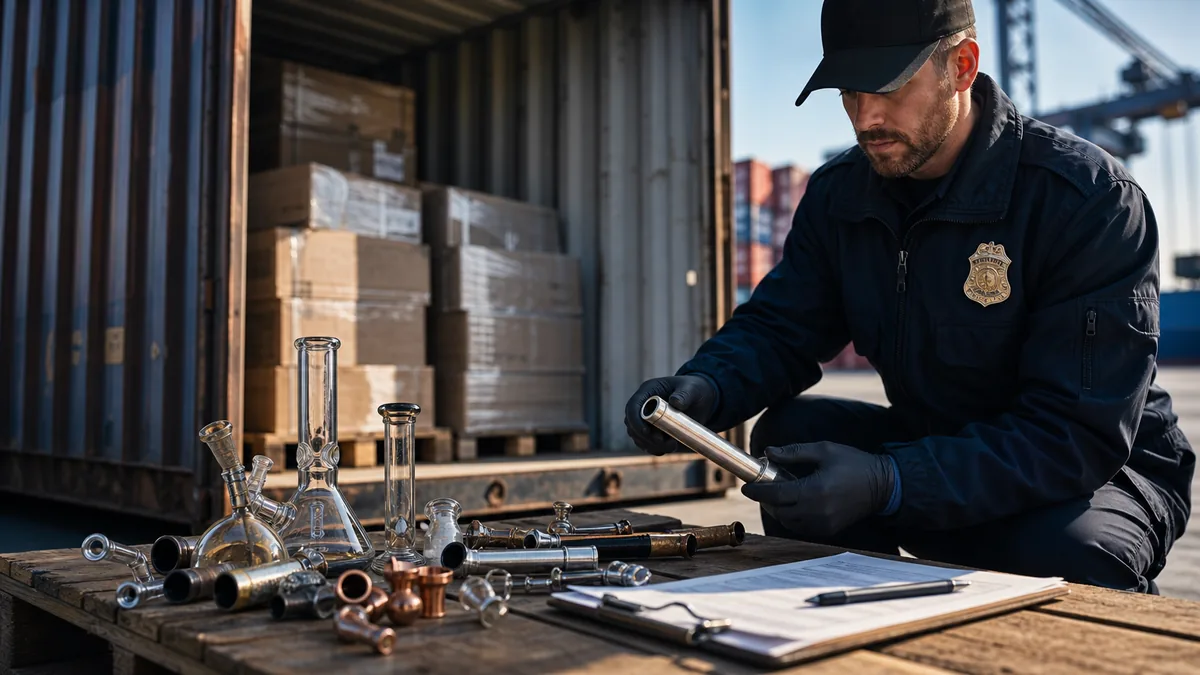
If CBP seized your imported pipes, water pipes, or smoking accessories as drug paraphernalia, the goods were detained under 21 U.S.C. § 863 — the federal statute that bans importing drug paraphernalia — and you generally have a short window to petition for their return. The good news is that the same statute exempts items “traditionally intended for use with tobacco,” so the seizure is often a dispute you can win with the right evidence. The bad news is that the clock starts running the moment the notice is issued.
This is not a Controlled Substances Act problem, and tobacco itself is not a controlled substance. The seizure happens because an item capable of being used with a controlled substance — a pipe, a bong, certain rolling gear — can be classified as paraphernalia at the border based on how it appears to be marketed and sold.
Why Customs Treats Smoking Gear as Paraphernalia
Under 21 U.S.C. § 863, it is unlawful to import or export “drug paraphernalia” — broadly, equipment primarily intended or designed for use in introducing a controlled substance into the body. Many ordinary tobacco accessories fit that physical description, so Congress wrote in an exemption: § 863(f) excludes items “traditionally intended for use with tobacco products, including any pipe, paper, or accessory.”
The seizure turns on which side of that line your goods fall, and CBP decides at the border based on objective signals rather than your private intent. Officers look at:
- Whether the importer holds a tobacco license or sells to legitimate tobacco retailers
- The customer base — tobacco shops versus head shops
- The product’s design, packaging, and any marketing that references illegal drug use
- The presence of drug residue or other indicators on the goods
An importer with a tobacco license selling pipes to tobacco stores is exercising the § 863(f) exemption. The same physical pipe marketed for use with a controlled substance is paraphernalia. The merchandise can be identical; the context decides the outcome.
What a Seizure Costs
Two consequences follow once CBP seizes the shipment, and the second one surprises people.
| Consequence | What it means |
|---|---|
| Loss of the goods | The merchandise is held and, if not recovered, forfeited and destroyed |
| Monetary penalty | The penalty for importing drug paraphernalia is generally measured by the domestic value of the shipment — pay $20,000 for the goods, and the penalty can be $20,000 |
The penalty is tied to the value of the merchandise, not a flat fine, so a large shipment creates large exposure even though no one was charged with a drug crime.
The Steps After You Get a Notice of Seizure
CBP will send a written notice of seizure describing the goods, the legal basis, and your options. That notice controls your deadlines — read it immediately and calendar every date in it. For the general framework, see what is a customs notice of seizure and the steps to follow when CBP seizures occur.
You generally have a few paths, and the notice will state the deadline (commonly 30 days) for each:
- Petition for remission or mitigation under 19 U.S.C. § 1618 and 19 C.F.R. Part 171 — you ask CBP to return the goods or reduce the penalty, supported by evidence that the items qualify for the tobacco exemption.
- Offer in compromise — a negotiated resolution.
- Court referral — under the Civil Asset Forfeiture Reform Act you can file a claim demanding the case go to federal court instead of being handled administratively.
- Abandonment — do nothing, and the goods are forfeited.
For most legitimate importers, the petition is the right first move, because it puts the § 863(f) exemption squarely in front of the agency. The broader seizure-and-penalty process is covered in how to handle customs seizures and penalties and CBP seizures, fines, penalties, and forfeitures.
Building the Evidence That Wins a Petition
A petition succeeds on documentation, not argument. Assemble proof that your goods are traditional tobacco accessories sold through legitimate channels: your tobacco license, invoices and catalogs showing tobacco-oriented marketing, your customer list of licensed tobacco retailers, product packaging, and any prior CBP rulings on identical merchandise. The stronger the paper trail that you operate in the tobacco trade, the harder it is to treat the goods as paraphernalia. Because the deadlines are short and the penalty is value-based, this is the point at which experienced customs counsel usually pays for itself.
Frequently Asked Questions
Is tobacco a controlled substance? No. Tobacco is not a controlled substance. The seizure rests on 21 U.S.C. § 863, which bans importing drug paraphernalia — items capable of use with controlled substances — even when the goods are sold for tobacco use. The statute’s tobacco exemption is what you invoke to get them back.
What is the tobacco exemption? Section 863(f) excludes items “traditionally intended for use with tobacco products, including any pipe, paper, or accessory.” Pipes and rolling papers sold through legitimate tobacco channels generally fall within it.
How long do I have to respond to a notice of seizure? Your notice states the deadline, which is commonly 30 days for a petition. Follow the dates on your specific notice — missing them can lead to forfeiture of the goods.
Can I get the goods back and avoid the penalty? Often, if you can document that the merchandise is traditional tobacco gear sold to licensed retailers. A petition for remission asks CBP to return the goods and cancel or reduce the penalty based on that evidence.
Did CBP seize your shipment? Reidel Law Firm advises importers on customs seizures and prepares flat-fee import/export compliance memos, with direct attorney access. Get an import/export compliance memo →