INTERNATIONAL TRADE LAW
How Trade Law Affects the Tech Industry
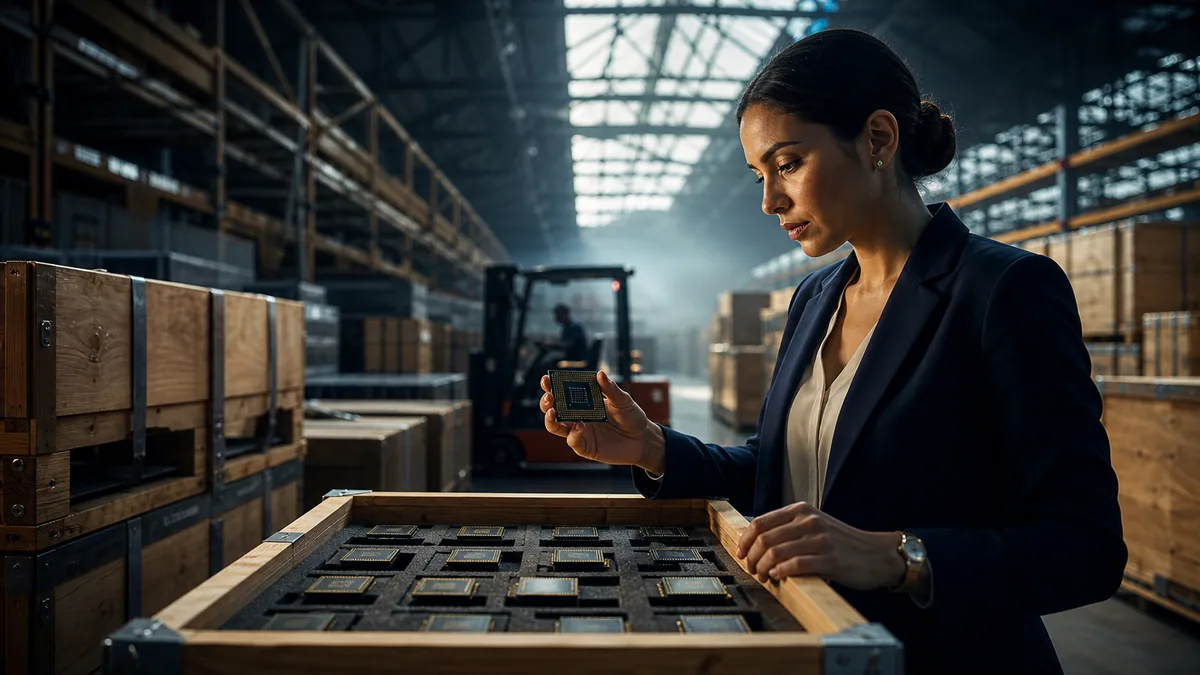
International trade law shapes the tech industry through five main levers: export controls on sensitive technology, tariffs on hardware, intellectual-property protection, forced-labor rules in the supply chain, and limits on cross-border data flows. For a hardware maker, a software company, or a chip designer, these are not background policy — they decide what you can ship, to whom, at what cost, and with what paperwork. Here is how each lever works.
Export Controls: The Biggest Constraint
Export controls are the trade-law issue most likely to stop a tech company in its tracks, because they restrict not just physical products but the technology and software behind them — and they can apply even to releasing source code or technical data to a foreign national inside the United States.
Two regimes do most of the work:
- The Export Administration Regulations (EAR), run by the Bureau of Industry and Security (BIS) at Commerce, control “dual-use” items — commercial goods with possible military or security uses. Items are sorted by Export Control Classification Number (ECCN) on the Commerce Control List, and the rules turn on what the item is and where it is going.
- The International Traffic in Arms Regulations (ITAR), run by the State Department, control defense articles and defense-related technical data.
The clearest recent example is advanced semiconductors. Starting in October 2022, BIS imposed sweeping controls on the export of advanced chips and chip-making equipment to China, then revised them repeatedly — including a rule effective January 15, 2026 that shifted certain advanced-computing chip exports to China and Macau from near-automatic denial toward case-by-case review. The specific thresholds change often; the durable point is that if your product involves advanced computing, you must check its classification and destination before you ship. Our primers on export controls and software and technology export rules walk through the basics.
Tariffs and the Cost of Hardware
Tech is a hardware-heavy, globally sourced industry, so tariffs hit it directly. Duties on imported components and finished devices raise costs, and policy tariffs — such as the Section 301 tariffs the U.S. has applied to many goods of Chinese origin — can change the math of where to build and buy. Specific rates shift with trade policy and should be checked against the current Harmonized Tariff Schedule rather than assumed, but the strategic effect is steady: tariffs push companies to diversify sourcing, reconsider assembly locations, and model duty exposure before committing a supply chain. Correctly classifying technology imports is the starting point for knowing what you owe.
Intellectual Property Across Borders
IP is the core asset of most tech companies, and trade law is part of how it is protected internationally. The WTO’s TRIPS agreement sets minimum standards for patents, trademarks, copyrights, and trade secrets among member countries, but protection and enforcement still vary by jurisdiction. The practical consequences are that companies must register and defend rights country by country, structure licensing carefully, and treat counterfeiting and unauthorized technology transfer as live risks when entering new markets.
Forced Labor in the Supply Chain
U.S. law prohibits importing goods made with forced labor, and enforcement has tightened around electronics inputs. Under the Uyghur Forced Labor Prevention Act, effective in June 2022, there is a rebuttable presumption that goods linked to China’s Xinjiang region were made with forced labor and are barred from entry unless the importer shows clear and convincing evidence otherwise — with no minimum-value exception. Because components like polysilicon and certain metals run through tech supply chains, hardware companies increasingly need supplier traceability to clear customs, not just to satisfy corporate-responsibility goals.
Cross-Border Data Flows
For software and internet companies, the “product” is often data, and trade-adjacent rules govern how it moves. Data-localization requirements, privacy regimes, and security reviews can require that data be stored locally or limit transfers across borders. There is no single global standard, so companies operating internationally must reconcile divergent rules market by market while keeping services running.
The Common Thread
Each lever is its own discipline, but they share a theme: a tech company’s freedom to operate globally depends on classification, screening, and documentation done before a shipment or data transfer happens. The fastest-moving area is export controls, where rules tied to national security can change within a quarter — which is why classification is something to re-confirm, not set once and forget.
Frequently Asked Questions
What part of trade law affects tech companies the most?
Export controls. The EAR (Commerce/BIS) and ITAR (State) restrict where sensitive technology, software, and technical data can go — and can apply even to sharing code or data with a foreign national domestically. For hardware and advanced-computing firms, these rules are the most likely to block a transaction.
Do U.S. export controls really cover software and source code?
Yes. Controls reach not only physical items but also software and technical data, and releasing controlled technology to a foreign national — even inside the United States — can count as an export requiring authorization.
How do tariffs affect technology products?
Tariffs raise the cost of imported components and devices and can drive sourcing decisions. Policy tariffs such as Section 301 duties on many Chinese-origin goods are significant, but rates change with trade policy, so check the current Harmonized Tariff Schedule rather than relying on past figures.
What is the forced-labor risk for electronics importers?
Under the Uyghur Forced Labor Prevention Act, goods tied to China’s Xinjiang region are presumed made with forced labor and barred from entry unless the importer rebuts that presumption with strong evidence. Because key electronics inputs can originate there, supply-chain traceability is now a customs-compliance requirement.
Tech companies face export controls, tariffs, IP rules, forced-labor enforcement, and data restrictions at once — and the rules move fast. Reidel Law Firm helps technology importers and exporters assess classification and compliance exposure on flat-fee terms. Get an import/export compliance memo.