INTERNATIONAL TRADE LAW
How to Export as a Small Business: Where to Start
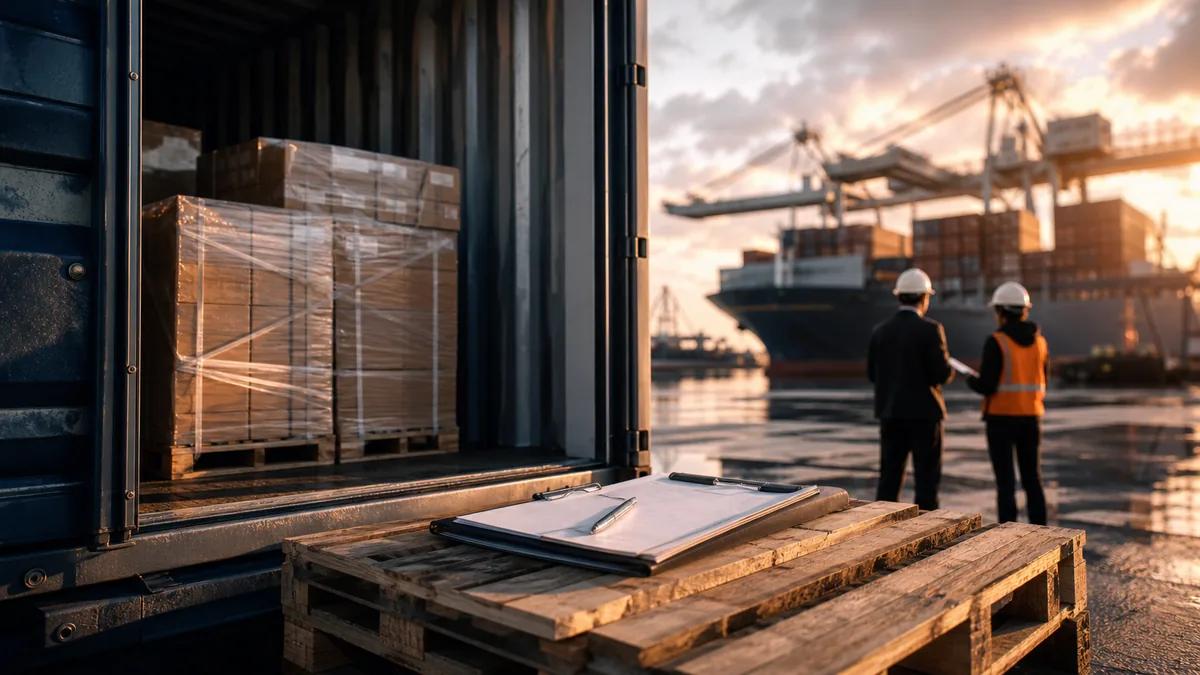
A small business starts exporting by building a focused export plan, tapping the federal financing and market-research programs built for smaller firms, and meeting the same export-control rules that apply to large companies — because there is no small-business exemption. Exporting is well within reach for a small firm; the trick is using the support that exists and not assuming the compliance rules scale with your size.
You Get the Same Rules — and the Same Help
The first thing to internalize is that export controls do not have a small-business carve-out. A two-person shop and a Fortune 500 manufacturer face the identical questions: is the item controlled, does the destination or party trigger a license, and is the filing done? Skipping those steps because “we’re small” is how small exporters end up with penalties they cannot absorb. The same five-step routine from our guide on how to export goods applies to you in full.
The offsetting good news is that a deep bench of federal programs exists specifically to help small firms export — and most are free or grant-funded.
Federal Programs Built for Small Exporters
Three federal players do most of the work, and they are designed to be used together.
| Program | What it provides | Run by |
|---|---|---|
| U.S. Commercial Service | Market research, buyer matchmaking, in-country counseling | Commerce / trade.gov |
| SBA export financing | Export Working Capital and Export Express loan guarantees | Small Business Administration |
| STEP grants | State grants for trade shows, market entry, insurance premiums | SBA, via the states |
| EXIM Bank | Export credit insurance, working-capital and buyer financing | Export-Import Bank |
The U.S. Commercial Service (trade.gov) offers market research and buyer matchmaking through trade specialists and U.S. Export Assistance Centers. The Small Business Administration backs export working-capital and Export Express loans so a lender will finance your overseas orders. Its State Trade Expansion Program (STEP) funnels grants through the states to cover trade-show costs, market-entry expenses, and even EXIM insurance premiums — eligibility generally requires that you meet SBA size standards, have operated at least a year, and have an export plan. And the Export-Import Bank (EXIM) provides export credit insurance and working-capital guarantees; it has aligned its small-business eligibility with SBA size standards to widen access.
Build a Real Export Plan
Before chasing programs, write a short, honest export plan. It does not need to be long — it needs to answer the questions a lender or a buyer will ask: which product, which one or two target markets and why, how you will price to land profitably after freight and duties, how the goods will move, and how you will get paid. The SBA’s export-plan resources give a usable template. A focused plan also keeps you from the classic small-business mistake of trying to sell everywhere at once.
Get the Compliance Basics Right Early
Two compliance habits save small exporters the most grief. First, learn the export-control fundamentals before your first shipment — classify the product, check whether the destination or end use needs a license, and screen every party against the U.S. restricted-party lists. Second, build the filing into your routine: file Electronic Export Information through the Automated Export System when the value under a single Schedule B number exceeds $2,500 or whenever a license is required. None of this requires a compliance department; it requires a checklist you run every time, as covered in how to comply with export control laws.
Manage the Payment Risk
Non-payment is the risk that sinks small exporters fastest, because a single bad foreign receivable can be existential for a small firm. Reduce it deliberately: use letters of credit or documentary collections for new relationships, and consider export credit insurance (available through EXIM and some STEP-funded programs) so a foreign buyer’s default does not become your loss. Extending open-account terms to an unvetted overseas buyer is the gamble to avoid.
Frequently Asked Questions
Are small businesses exempt from export controls? No. The Export Administration Regulations apply regardless of company size. A small firm must classify its product, check license requirements, and screen its parties just like a large one.
What financing help is available to small exporters? The SBA guarantees export working-capital and Export Express loans, the EXIM Bank offers export credit insurance and working-capital guarantees, and SBA STEP grants (run through the states) help cover trade-show and market-entry costs.
What is a STEP grant? A State Trade Expansion Program grant — SBA awards funds to states, which pass them to small businesses for export activities such as trade shows, market entry, and even export credit insurance premiums.
Do I still have to file EEI as a small business? Yes. The $2,500-per-Schedule-B-number threshold (and the rule that any license-required shipment must be filed) applies to every exporter, large or small.
First export and want the compliance right? Reidel Law Firm prepares flat-fee Import/Export Compliance Memos sized for small exporters — we classify the item, check the destination and parties, and map the filings you owe — with direct access to the trade attorney handling your matter. Get a flat-fee compliance memo →