INTERNATIONAL TRADE LAW
How to Import Toys into the U.S. (CPSC Rules)
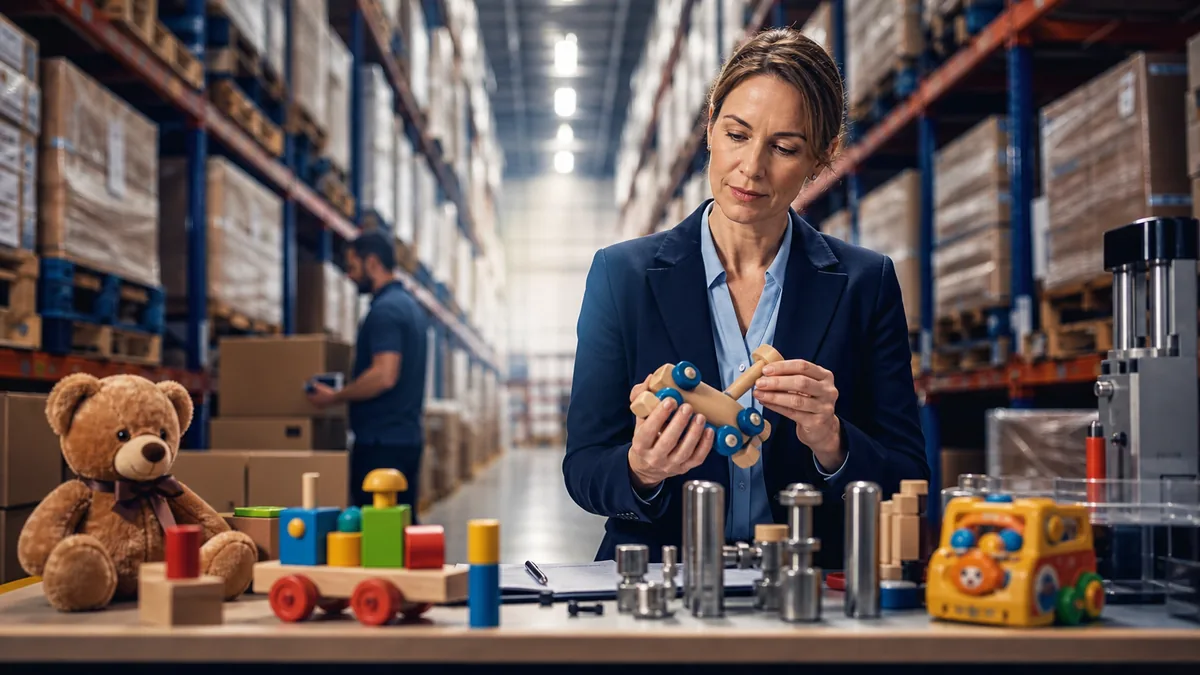
Importing toys into the United States means meeting the Consumer Product Safety Commission’s rules: third-party testing to the mandatory ASTM F963-23 toy standard, a Children’s Product Certificate issued by the U.S. importer, and a permanent tracking label on the product. Toys for children 12 and under are “children’s products” under the Consumer Product Safety Improvement Act (CPSIA), which means independent lab testing and certification are not optional. CBP and the CPSC can detain and refuse toys that lack the testing and the certificate.
ASTM F963 Is the Mandatory Toy Standard
The federal toy safety standard is ASTM F963, and it is mandatory, not voluntary. The current version, ASTM F963-23, applies to toys manufactured on or after April 20, 2024. It sets requirements across mechanical and physical hazards (small parts, sharp points and edges), flammability, and chemical limits for heavy elements. A toy that does not meet F963-23 is not compliant, regardless of how it is marketed.
Test at a CPSC-Accepted Lab, Then Certify
Children’s products must be third-party tested at a CPSC-accepted laboratory for every applicable rule, and the U.S. importer then issues a Children’s Product Certificate (CPC) based on those test results. Two points trip up new importers:
- A foreign manufacturer’s CPC is not valid. The U.S. importer must issue its own CPC, relying on its own test reports or on compliant component-part testing.
- A test report covers only the specific production lot tested. Material changes — new materials, a design change, or a new supplier — require retesting and a new CPC.
The CPC is a legal declaration listing each safety rule the toy meets, the lab that tested it, and the testing dates. It must be available to CBP and the CPSC on request.
The Chemical and Mechanical Limits
CPSIA sets hard limits that apply to children’s products, and toys must meet them.
| Hazard | Limit |
|---|---|
| Total lead content (accessible parts) | 100 ppm |
| Lead in paint / surface coatings | 90 ppm |
| Specified phthalates (toys and child-care articles) | 0.1% each |
| Small parts (toys for children under 3) | Banned if they pose a choking hazard |
The eight regulated phthalates are capped at 0.1% in children’s toys and child-care articles under 16 CFR Part 1307, and the small-parts ban for toys intended for children under three comes from 16 CFR Part 1501. These limits are tested as part of the F963 and CPSIA testing the CPC certifies.
Tracking Labels and Cautionary Statements
Every children’s product, including toys, must carry a permanent tracking label on the product and its packaging with enough information to identify the manufacturer, the production location and date, and the batch or run. Toys with small parts or other hazards must also carry the choking-hazard cautionary statements required under the Federal Hazardous Substances Act. These markings are checked at import, so confirm the supplier applies them before shipment, not after.
Toys are still ordinary merchandise for customs purposes and need a correct tariff classification — see how to classify imported goods. Toys made of fabric can also pull in the textile rules covered in importing textiles, and the broader practice overview is at international trade law.
Frequently Asked Questions
Is ASTM F963 testing required or just recommended? Required. ASTM F963 is the mandatory federal toy safety standard, and the current ASTM F963-23 version applies to toys made on or after April 20, 2024. Compliance is verified through third-party testing.
Can I rely on my supplier’s certificate? No. A foreign manufacturer’s certificate is not valid for U.S. entry. The U.S. importer must issue its own Children’s Product Certificate based on testing from a CPSC-accepted lab.
What are the lead and phthalate limits for toys? Total lead content in accessible parts is limited to 100 ppm, lead in paint or surface coatings to 90 ppm, and the eight regulated phthalates to 0.1% each in children’s toys and child-care articles.
What is a tracking label? A permanent marking on the toy and its packaging identifying the manufacturer, production location and date, and batch. It is required on all children’s products and is checked at import.
Importing toys or children’s products? Reidel Law Firm prepares flat-fee import/export compliance memos and advises importers on CPSC testing, certification, and customs compliance with direct attorney access. Get an import compliance memo →