
INTERNATIONAL TRADE LAW
Trade Law and Global Supply Chains: A Guide
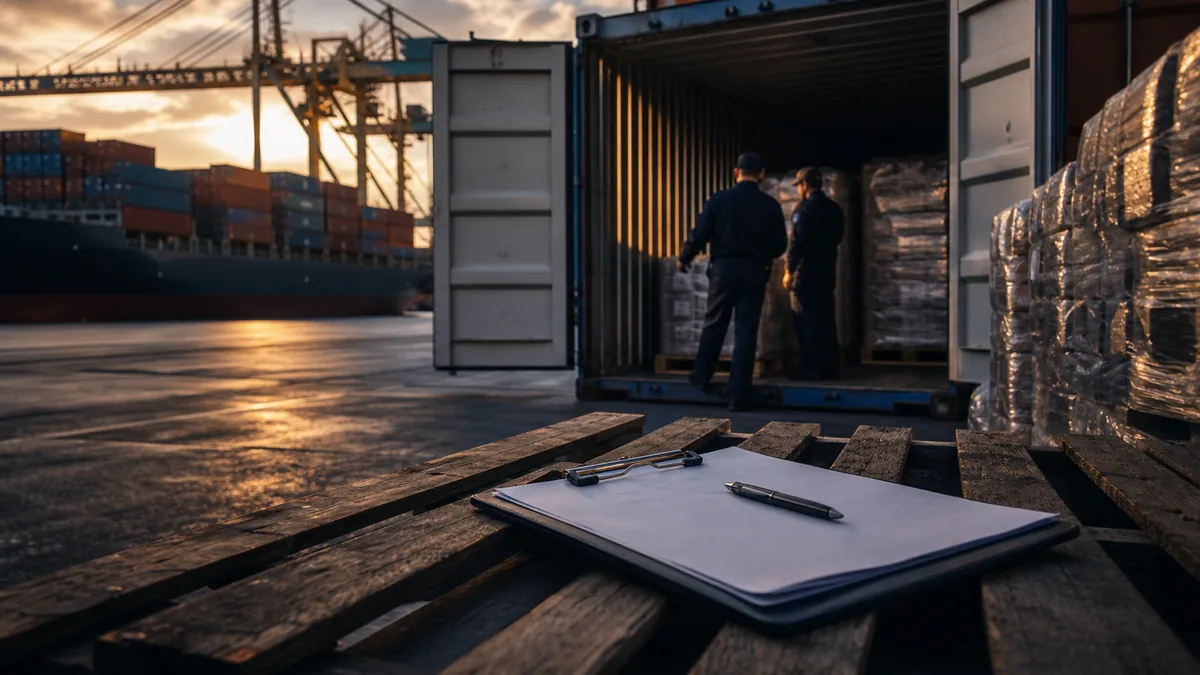
International trade law shapes global supply chains through four main forces: tariffs that set the cost of moving goods, trade agreements that set the rules between countries, customs procedures that control the border, and compliance mandates — like the forced-labor import ban — that dictate what you can source. A supply chain is only as reliable as a company’s grip on these rules. This guide explains each force and what it means for sourcing decisions.
Tariffs Set the Cost of the Chain
Tariffs — duties charged on imported goods — are the most direct way trade law touches a supply chain, because they change the landed cost of every component and finished product crossing a border. When tariffs rise or shift, sourcing math changes with them.
The clearest modern example is the U.S.–China trade relationship. Section 301 tariffs applied to a wide range of Chinese-origin goods pushed many companies to rethink where they buy and build, accelerating “nearshoring” and “friendshoring” to reduce exposure. The specific rates move with trade policy and should be checked against the current Harmonized Tariff Schedule rather than assumed — but the strategic lesson is durable: a tariff change can erase a sourcing advantage overnight, so duty exposure belongs in supply-chain planning, not just in the customs paperwork.
Trade Agreements Set the Rules Between Countries
Trade agreements lower barriers and harmonize rules among their members, which makes integrated, cross-border supply chains workable. They operate at two levels:
- Multilateral. The World Trade Organization sets baseline global rules — non-discrimination, tariff bindings, and a dispute framework — that give trade a predictable floor.
- Regional and bilateral. Targeted agreements go further among their members. The United States–Mexico–Canada Agreement (USMCA) entered into force on July 1, 2020, replacing NAFTA, and it governs North American supply chains today — including stricter rules of origin for autos. (The Trans-Pacific Partnership is a common point of confusion: the U.S. withdrew in 2017, but the remaining countries went ahead with a successor pact, the CPTPP, which is in force among its members without U.S. participation.)
For a supply chain, the key takeaway is that rules of origin in these agreements decide whether goods qualify for preferential treatment — so where inputs come from, not just where final assembly happens, drives the duty outcome.
Customs Procedures Control the Border
Every cross-border shipment passes through customs, and the efficiency of that process is itself a supply-chain variable. Correct tariff classification, honest valuation, and accurate country-of-origin declarations determine the duty owed and whether a shipment clears or gets held. Errors cause delays, penalties, and seizures.
Companies that move enough volume invest in getting this right — and some join trusted-trader programs like C-TPAT, which can speed clearance in exchange for meeting security standards. The goal is the same throughout: predictable, document-ready border crossings instead of surprises.
Compliance Mandates Dictate What You Can Source
Increasingly, trade law does not just tax the supply chain — it polices its ethics. The most consequential current example is the Uyghur Forced Labor Prevention Act (UFLPA), effective June 2022. It creates a rebuttable presumption that goods linked to China’s Xinjiang region were made with forced labor and are barred from entry under Section 307 of the Tariff Act of 1930, unless the importer rebuts that presumption with clear and convincing evidence. There is no minimum-value exception, and Customs has examined billions of dollars of entries under it.
The practical effect is that supply-chain visibility is now a legal requirement, not just good practice. Importers need to know — and document — where inputs several tiers down actually originate, or risk having goods detained at the border.
Putting It Together
These four forces interact. A tariff change can prompt a sourcing shift; the new source’s eligibility for preferential duties depends on a trade agreement’s rules of origin; clearing that source’s goods depends on customs accuracy; and whether you can use the source at all depends on forced-labor and other compliance mandates. Treating them as one connected risk picture — rather than four separate paperwork tasks — is what makes a supply chain resilient.
Frequently Asked Questions
How do tariffs affect global supply chains?
Tariffs change the landed cost of imported goods, so a tariff increase can wipe out a sourcing advantage and force companies to find new suppliers or production locations. Because policy tariffs like Section 301 duties shift with trade policy, duty exposure should be built into supply-chain planning and checked against current rates.
Did USMCA replace NAFTA?
Yes. The United States–Mexico–Canada Agreement entered into force on July 1, 2020, replacing NAFTA. It governs North American trade today, including tighter rules of origin in sectors like automobiles.
What is the UFLPA and why does it matter for sourcing?
The Uyghur Forced Labor Prevention Act, effective June 2022, presumes that goods tied to China’s Xinjiang region were made with forced labor and bars them from U.S. entry unless the importer proves otherwise with strong evidence. With no value threshold, it makes deep supply-chain traceability a customs-compliance necessity.
Why do rules of origin matter in supply chains?
Rules of origin in trade agreements determine whether goods qualify for preferential (lower or zero) duties. They look at where inputs come from, not just where final assembly occurs, so sourcing decisions several tiers deep can change a product’s duty treatment.
Tariffs, trade agreements, customs rules, and forced-labor enforcement all hit the supply chain at once — and a gap in any one can stall goods at the border. Reidel Law Firm helps importers assess sourcing and customs exposure on flat-fee terms. Get an import/export compliance memo.


