INTERNATIONAL TRADE LAW
Trade Liberalization vs. Protectionism Explained
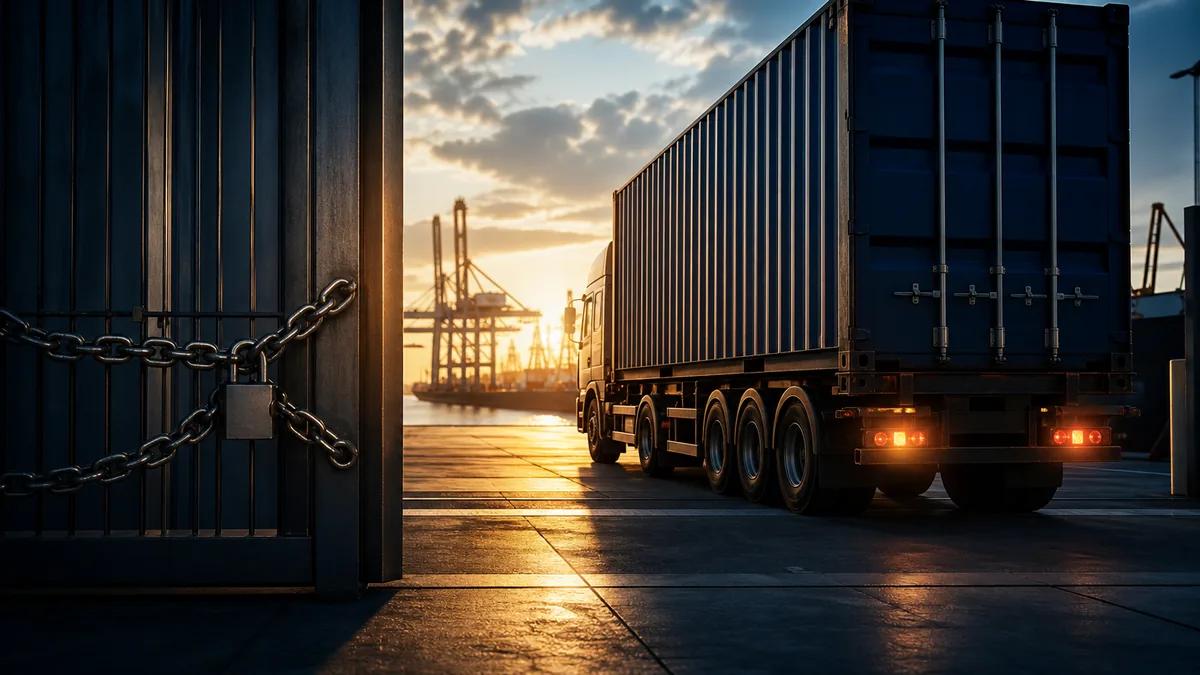
Trade liberalization lowers the barriers that stand between a country and foreign goods; protectionism raises them. Liberalization means cutting tariffs, quotas, and red tape so goods move more freely across borders. Protectionism means using those same tools to shield domestic producers from foreign competition. Most real-world trade policy sits somewhere between the two, and a single country often liberalizes in some sectors while protecting others.
Liberalization vs. protectionism at a glance
| Trade liberalization | Protectionism | |
|---|---|---|
| Goal | Open markets, lower prices, efficiency | Shield domestic industry and jobs |
| Main tools | Lower tariffs, fewer quotas, trade agreements | Tariffs, quotas, subsidies, local-content rules |
| Who tends to gain | Consumers, exporters, efficient producers | Protected domestic industries and their workers |
| Who tends to lose | Industries exposed to import competition | Consumers (higher prices), downstream users |
| Typical risk | Job dislocation in uncompetitive sectors | Retaliation, higher costs, reduced innovation |
What trade liberalization means
Trade liberalization is the reduction or removal of barriers to cross-border trade. Those barriers come in several forms: tariffs (taxes on imports), quotas (caps on how much can be imported), and non-tariff barriers such as licensing rules, standards, and customs friction. Countries pursue liberalization unilaterally, through bilateral and regional trade agreements, and through the multilateral system built around the World Trade Organization (WTO).
The economic case for liberalization rests on comparative advantage: when each country specializes in what it produces relatively efficiently and trades for the rest, total output rises and prices fall. Open markets also widen consumer choice, attract foreign investment, and pressure domestic firms to improve. The cost falls unevenly. Workers and firms in sectors that cannot match foreign producers can be displaced, which is why liberalization is politically hardest in industries facing the most import pressure.
What protectionism means
Protectionism is the deliberate use of trade barriers to favor domestic producers over foreign ones. The classic instruments are tariffs that raise the price of imports, quotas that cap their quantity, and subsidies that lower domestic producers’ costs. Governments also use less visible measures: local-content requirements, restrictive product standards, and “buy domestic” procurement rules.
The arguments for protectionism are familiar. It can preserve jobs in import-competing industries, give an “infant industry” time to mature, and protect sectors a country considers strategically important. The trade-offs are equally familiar: protected goods cost consumers more, downstream manufacturers that rely on protected inputs lose competitiveness, and trading partners frequently retaliate. When retaliation spirals, the result is a trade war in which both sides raise barriers and overall trade shrinks.
The trade-offs, side by side
Neither approach is costless, and the honest comparison is about who bears the cost and when.
Liberalization concentrates its benefits broadly and thinly — slightly lower prices for many consumers — while concentrating its costs narrowly on the specific industries exposed to competition. Protectionism does the reverse: it delivers visible, concentrated benefits to a protected industry while spreading its costs thinly across all the consumers and businesses that pay more. That asymmetry explains why protectionist measures are often politically popular even when economists estimate they cost more than they save.
The legal guardrails: what WTO rules allow
International trade is not a free-for-all in either direction. WTO members agree to ceilings (“bound rates”) on their tariffs and to core rules such as most-favored-nation treatment, which generally bars discriminating between trading partners. Members can still raise protection, but usually only through defined, rules-based channels — antidumping duties against unfairly priced imports, countervailing duties against subsidized imports, and time-limited safeguard measures against import surges that injure a domestic industry.
The framework leaves real room for trade tension. Tariff levels, the use of trade remedies, and disputes over which measures are permitted shift with each administration and each WTO case. For that reason, treat any specific current tariff figure as a snapshot that can change, and confirm the rate and legal basis that apply to your product and trading partner before relying on them.
What this means for your business
For importers and exporters, the liberalization-versus-protectionism debate is not abstract — it sets the duties, quotas, and licensing rules you actually face. A swing toward protection can add cost to an established supply chain quickly; a new trade agreement can open a market you had written off. The practical response is the same in both directions: know your product’s classification and country of origin, track the trade measures that apply to it, and build enough flexibility into sourcing and contracts to absorb policy change. To go deeper on the regional deals that drive liberalization, see our guide to trade blocs and how they work.
Frequently asked questions
Is trade liberalization the same as free trade?
Not quite. Free trade is the end state — trade with no barriers at all. Liberalization is the process of moving toward it by cutting tariffs, quotas, and other barriers. Most countries liberalize partially rather than adopting pure free trade.
Can a country be both liberal and protectionist?
Yes, and most are. A government can sign free trade agreements while still protecting specific sectors such as agriculture, steel, or autos with tariffs and quotas. Trade policy is rarely all one or the other.
Are tariffs always protectionist?
Tariffs raise revenue and can protect domestic industry, but not every tariff is a deliberate protectionist tool. The label depends on intent and effect — a low across-the-board tariff behaves differently from a high tariff aimed at a single competing import.
Do WTO rules ban protectionism?
No. WTO rules constrain how members protect their industries, not whether they can. Members can use antidumping duties, countervailing duties, and safeguards within defined limits, but they generally cannot impose arbitrary or discriminatory barriers.
Trade policy can reshape your duties and sourcing with little warning. Reidel Law Firm advises importers and exporters on tariffs, classification, and trade-remedy exposure on flat-fee terms. Talk to an international trade attorney.