INTERNATIONAL TRADE LAW
Transportation & Logistics Compliance Checklist
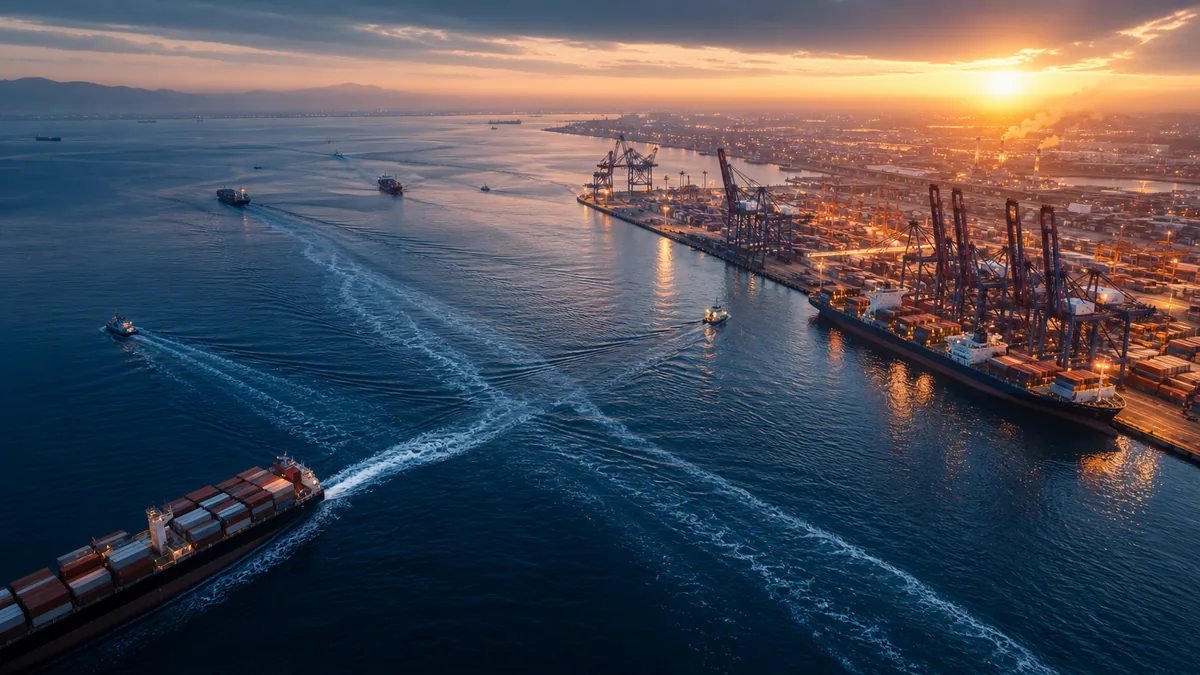
Transportation and logistics compliance means satisfying every legal regime that touches your goods while they move — the carrier-safety rules enforced by the U.S. Department of Transportation, the hazardous-materials rules from PHMSA, and the customs rules that apply at the border. Each governs a different leg of the journey, and a gap in any one of them can mean a stopped shipment, a penalty, or a detained load. This checklist organizes the obligations by domain so an importer, exporter, or shipper can see the whole picture.
Map the Regimes That Apply to Your Freight
The first step is recognizing that “logistics compliance” is several bodies of law stacked together, not one. Which apply depends on what you ship, how, and across which borders.
| Domain | Regulator | Core concern |
|---|---|---|
| Motor carrier safety | DOT / Federal Motor Carrier Safety Administration (FMCSA) | Driver hours, vehicle safety, operating authority |
| Hazardous materials in transit | DOT / PHMSA | Classification, packaging, marking, placarding, shipping papers |
| Customs entry & exit | CBP | Classification, valuation, admissibility, documentation |
| Mode-specific carriage | Ocean, air, and rail authorities | Carrier and routing rules for each transport mode |
Build your checklist around the regimes that actually touch your lanes, then verify each one separately rather than assuming a freight forwarder has covered all of them.
Carrier Safety: FMCSA and Hours of Service
For freight moving by truck in interstate commerce, FMCSA rules govern the carrier. The most visible requirement is the Electronic Logging Device (ELD) mandate, codified at 49 C.F.R. Part 395, Subpart B, which requires most commercial drivers subject to records-of-duty-status rules to use a registered ELD to record their hours of service. The hours-of-service limits behind the ELD exist to prevent fatigue-related crashes by capping driving time.
Compliance here also covers operating authority, vehicle maintenance and inspection, and driver qualification. If you are the shipper rather than the carrier, the practical control is vetting the carriers you tender freight to — confirming authority, safety rating, and ELD use — and documenting that diligence.
Hazardous Materials in Transit
If any freight is a hazardous material, a separate and demanding regime attaches. PHMSA’s Hazardous Materials Regulations (49 C.F.R. Parts 100–185) govern how dangerous goods move by every mode. The framework starts with classifying the material into one of nine hazard classes:
| Class | Category |
|---|---|
| 1 | Explosives |
| 2 | Gases |
| 3 | Flammable liquids |
| 4 | Flammable solids; spontaneously combustible; dangerous when wet |
| 5 | Oxidizers and organic peroxides |
| 6 | Toxic and infectious substances |
| 7 | Radioactive material |
| 8 | Corrosives |
| 9 | Miscellaneous dangerous goods |
Once classified, the material drives the required packaging, hazard communication (marking and labeling), placarding of the conveyance, shipping papers, and trained-personnel requirements. Getting any of these wrong is a common source of transport penalties. For the broader hazmat program inside your facility, see our hazardous materials compliance checklist.
Customs at the Border
For cross-border freight, the customs leg sits on top of the transport rules. The importer of record must file a correct entry — classification, valuation, country of origin — and meet any partner-agency requirements before the goods are released. Exporters have their own documentation and licensing duties. A clean handoff between the logistics provider and the customs filer is where many shipments succeed or stall; our import compliance checklist covers the entry-side obligations, and how to handle import documentation covers the paperwork. Many shippers route this leg through a freight forwarder, but using one does not move the legal responsibility off the importer or exporter of record.
Recordkeeping and Vendor Oversight
Across all three domains, two disciplines tie the program together. Recordkeeping — driver and ELD records, hazmat shipping papers and training records, and customs entry records (kept five years under 19 U.S.C. § 1508) — is what proves compliance after the fact. Vendor oversight is the recognition that you rely on carriers, brokers, and forwarders, and that their failures can become your liability. Written expectations, verification of credentials, and periodic review turn that reliance into managed risk.
Frequently Asked Questions
What does transportation and logistics compliance cover?
It covers every legal regime that applies while goods move: DOT/FMCSA carrier-safety rules, PHMSA hazardous-materials rules for dangerous goods, customs entry and exit rules at the border, and mode-specific carriage rules for ocean, air, and rail.
What is the ELD mandate?
The Electronic Logging Device rule, at 49 C.F.R. Part 395, Subpart B, requires most interstate commercial drivers who must keep records of duty status to use a registered ELD to log their hours of service automatically, replacing paper logs.
Who is responsible if my freight forwarder makes a customs error?
The importer or exporter of record remains legally responsible for a correct entry, even when a freight forwarder or broker handles the filing. That is why vetting your providers and keeping your own records matters.
Do hazardous materials change my transport obligations?
Yes. Hazmat triggers PHMSA’s 49 C.F.R. rules on top of normal carrier and customs requirements — classification into one of nine hazard classes, then specific packaging, marking, placarding, shipping papers, and personnel training.
Transportation and logistics compliance is really several regimes that have to line up on the same shipment. Reidel Law Firm helps importers and exporters map and document those obligations on flat-fee terms, with a plain-English compliance memo and direct attorney access. Get an import compliance memo.