INTERNATIONAL TRADE LAW
Foreign-Trade Zones (FTZs): How They Save Duty
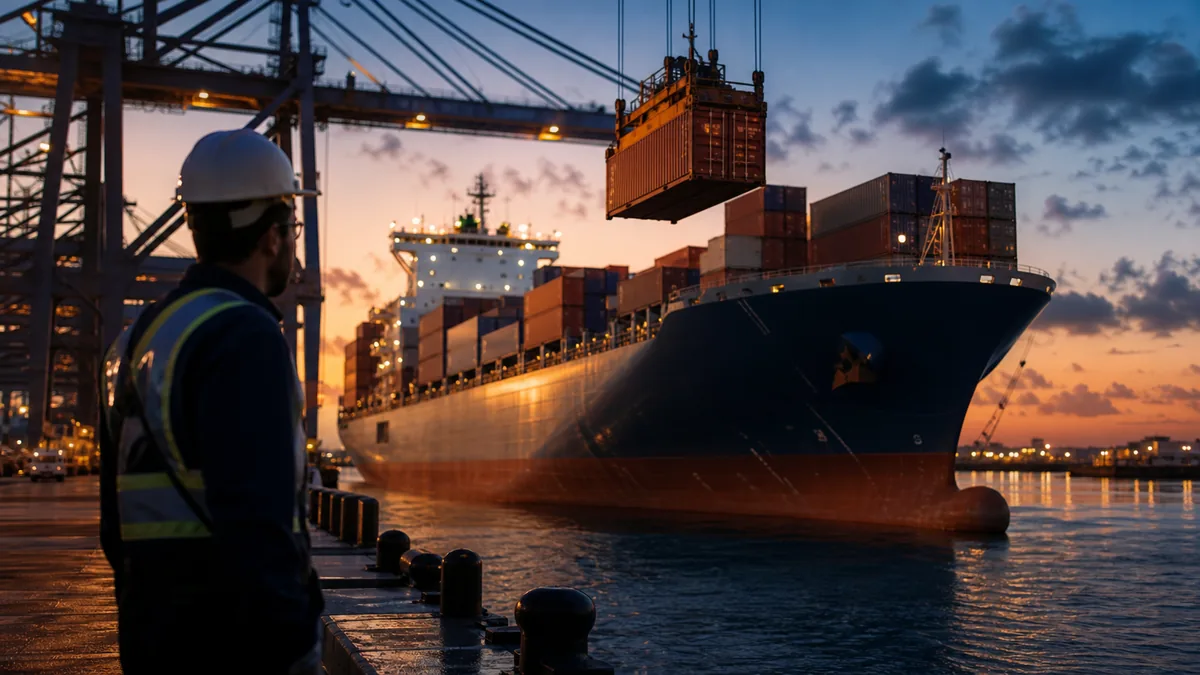
A U.S. foreign-trade zone (FTZ) is a secured area, legally treated as outside U.S. customs territory for duty purposes, where companies can bring in goods and defer, reduce, or even eliminate customs duties. Goods can be stored, handled, and manufactured in a zone, and duty isn’t owed until (and unless) they’re shipped into U.S. commerce — if they’re re-exported, no U.S. duty is owed at all. For importers and manufacturers with real volume, that can be a substantial cash-flow and cost advantage. This guide explains how FTZs work, the benefits, and how they differ from a bonded warehouse. (Note: in the U.S., the legal term is “foreign-trade zone,” though people often say “free trade zone.”)
How an FTZ Works
An FTZ operates under the U.S. Foreign-Trade Zones Act (19 U.S.C. § 81), overseen by the FTZ Board with day-to-day oversight by CBP. Goods admitted to a zone aren’t formally “entered” for customs purposes, so duty is suspended while they’re in the zone. The company pays duty only when goods leave the zone for U.S. consumption — and pays nothing if they’re re-exported or destroyed. Zones come in two forms: general-purpose zones (often near ports, shared by multiple users) and subzones (a single company’s facility approved for FTZ use).
The Duty Benefits
FTZs deliver savings in several distinct ways:
| Benefit | How it works |
|---|---|
| Duty deferral | No duty until goods leave the zone for U.S. commerce — improving cash flow |
| Duty elimination on exports | Goods re-exported from the zone never incur U.S. duty |
| Duty elimination on scrap/waste | No duty on merchandise destroyed or that becomes waste/scrap |
| Inverted tariff | If the finished product has a lower duty rate than its imported components, a manufacturer in the zone can elect to pay the lower finished-good rate |
| Logistics/MPF savings | Weekly entry can reduce merchandise processing fees; faster in-zone handling |
The inverted-tariff benefit is the one unique to manufacturing FTZs: it lets a producer pay duty at the finished-good rate instead of the higher component rates, which can be a meaningful margin difference.
FTZ vs Bonded Warehouse
Both defer duty, but they’re different tools:
- A bonded warehouse is mainly for storage (up to five years), with limited manipulation allowed and no general manufacturing for consumption.
- An FTZ allows manufacturing and assembly in the zone, offers the inverted-tariff election, and has no fixed storage time limit.
If your goal is storage and re-export flexibility, a bonded warehouse may suffice; if you’re manufacturing or transforming goods, an FTZ’s added benefits are usually the reason to use one.
Frequently Asked Questions
What is a foreign-trade zone (FTZ)?
A secured U.S. site treated as outside customs territory for duty purposes, authorized under the Foreign-Trade Zones Act and overseen by the FTZ Board and CBP. Goods can be stored, handled, or manufactured there with customs duty deferred until the goods enter U.S. commerce — and eliminated entirely if they’re re-exported.
How do FTZs save money?
Through duty deferral (pay only when goods enter U.S. commerce), duty elimination on re-exports and on scrap/waste, the inverted-tariff election (pay the lower finished-good rate instead of higher component rates), and logistics efficiencies like weekly entry that can reduce merchandise processing fees.
What is the inverted-tariff benefit?
When a finished product carries a lower duty rate than its imported components, a manufacturer operating in an FTZ can elect to pay duty at the finished-good rate rather than the higher component rates — reducing the duty owed on what enters U.S. commerce.
What is the difference between an FTZ and a bonded warehouse?
A bonded warehouse is primarily for storage (up to five years) with limited manipulation and no manufacturing for consumption. An FTZ permits manufacturing and assembly, offers the inverted-tariff election, and has no fixed time limit. Both defer duty until goods enter U.S. commerce.
For high-volume importers and manufacturers, an FTZ can turn customs duty from a fixed cost into a managed one. Reidel Law Firm advises importers on FTZ use, bonded warehousing, and duty strategy on flat-fee terms. Get an import compliance memo.