
INTERNATIONAL TRADE LAW
Customs Brokers and Import Classification
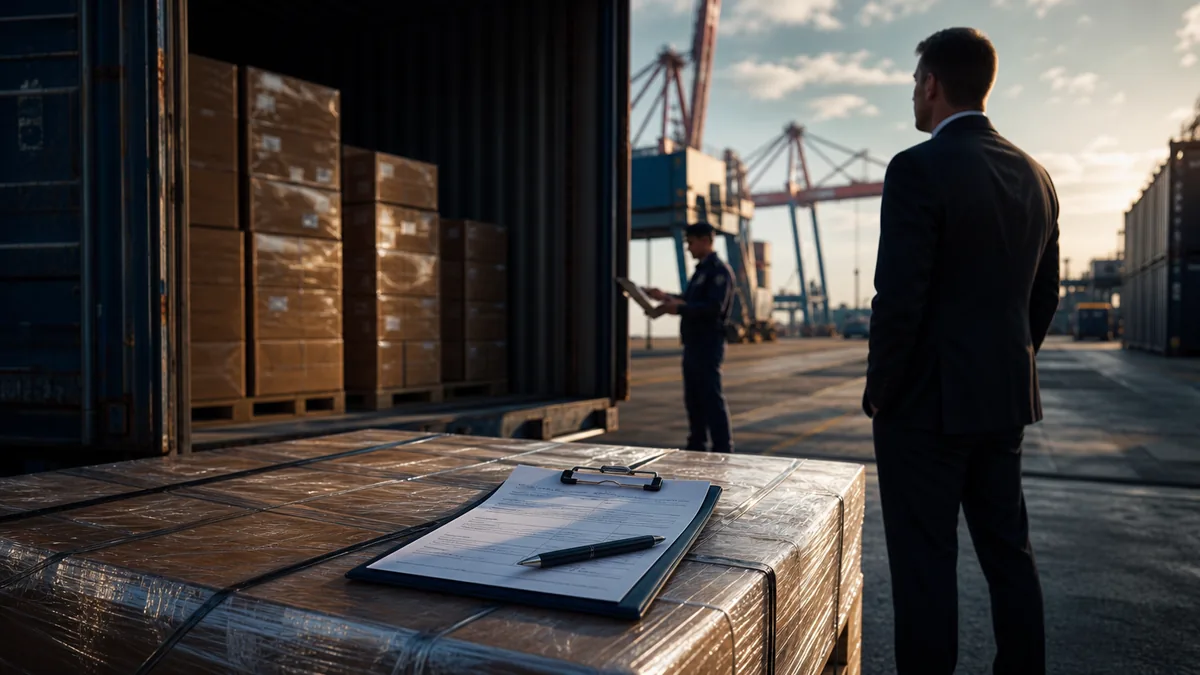
A customs broker is a CBP-licensed professional you can hire to prepare and file your import entries — including the all-important HTSUS classification — but hiring one does not move the legal responsibility for getting that classification right off your shoulders. Under U.S. law, the importer of record always keeps that duty. Understanding exactly where the broker’s role ends and yours begins is what keeps a classification mistake from becoming your penalty.
What a customs broker is — and isn’t
A customs broker is a private individual or firm licensed by U.S. Customs and Border Protection (CBP) under 19 U.S.C. § 1641 and the regulations in 19 C.F.R. Part 111. To earn an individual license, a person must pass the Customs Broker License Examination — a demanding open-book test on tariff classification, valuation, and customs procedure — and clear a background investigation. Brokers are agents you authorize to “transact customs business” on your behalf: filing entries, paying duties, and communicating with CBP.
What a broker is not is a substitute for your own responsibility. The broker acts on the information and instructions you provide. If you hand over an inaccurate product description or an undervalued invoice, the broker’s filing will be wrong too — and the consequences land on you as the importer of record.
Classification is the broker’s core technical job
The most valuable thing many brokers do is tariff classification — assigning each product its 10-digit code under the Harmonized Tariff Schedule of the United States (HTSUS). That code drives the duty rate, eligibility for trade-preference programs, and whether other agencies’ rules apply. Classification is governed by the General Rules of Interpretation, and experienced brokers spend years learning how CBP reads them. A good broker asks pointed questions about a product’s material, function, and degree of assembly precisely because those details decide the code.
You keep the “reasonable care” duty even with a broker
Here is the point importers most often miss. Since the Customs Modernization Act of 1993, the law requires the importer of record to exercise “reasonable care” in classifying and valuing goods. Using a licensed broker is one way to exercise reasonable care — but it does not transfer the duty. If the broker’s classification is wrong because you gave incomplete information, or because you ignored a known problem, CBP looks to you. Reasonable care is an active obligation: give your broker complete and accurate product information, review the entries filed in your name, and raise questions when a classification looks off.
The 2022 broker modernization: one national permit
CBP overhauled the broker regulations in a final rule that took effect December 19, 2022. The headline change was the elimination of the old district-permit system: brokers who held only a district permit were transitioned to a single national permit, which now authorizes a broker to conduct customs business anywhere in the customs territory of the United States. For importers, the practical effect is simpler — a broker with a national permit can handle your entries at any U.S. port, so you are no longer constrained by where a broker holds local authority.
When to get a binding ruling instead
For a product whose classification is genuinely uncertain or carries a high duty stake, neither you nor your broker has to live with guesswork. You can request a binding ruling from CBP, which issues an official classification you can rely on at every port. A broker can prepare the ruling request, but the certainty comes from CBP’s written ruling — the most durable protection against a later classification dispute.
| Question | Best tool |
|---|---|
| Routine entry filing and day-to-day classification | Customs broker |
| Authoritative, port-proof classification of a tricky product | CBP binding ruling |
| Overall duty, valuation, and compliance strategy | Trade counsel |
Frequently asked questions
Do I legally need a customs broker? No. Importers may file their own entries. Many use a broker for convenience and expertise, but it is not required by law.
If my broker misclassifies my goods, who is liable? The importer of record. Using a licensed broker helps show reasonable care, but the legal responsibility for an accurate entry stays with you — especially if the error traces back to information you provided.
What is a national permit? Since the 2022 modernization rule, a national permit is the single authorization that lets a broker conduct customs business at any U.S. port, replacing the old district-permit system.
How is a broker different from a trade attorney? A broker files entries and classifies goods operationally. A trade attorney advises on legal exposure, penalty defense, rulings strategy, and disputes with CBP. Complex matters often use both.
For related reading, see how to manage customs bond issues and our international trade law practice page.
Unsure your products are classified correctly? Reidel Law Firm delivers a flat-fee Import/Export Compliance Memo that reviews your classifications, flags duty and penalty exposure, and tells you when a binding ruling is worth pursuing — with direct attorney access. Get a flat-fee compliance memo →


